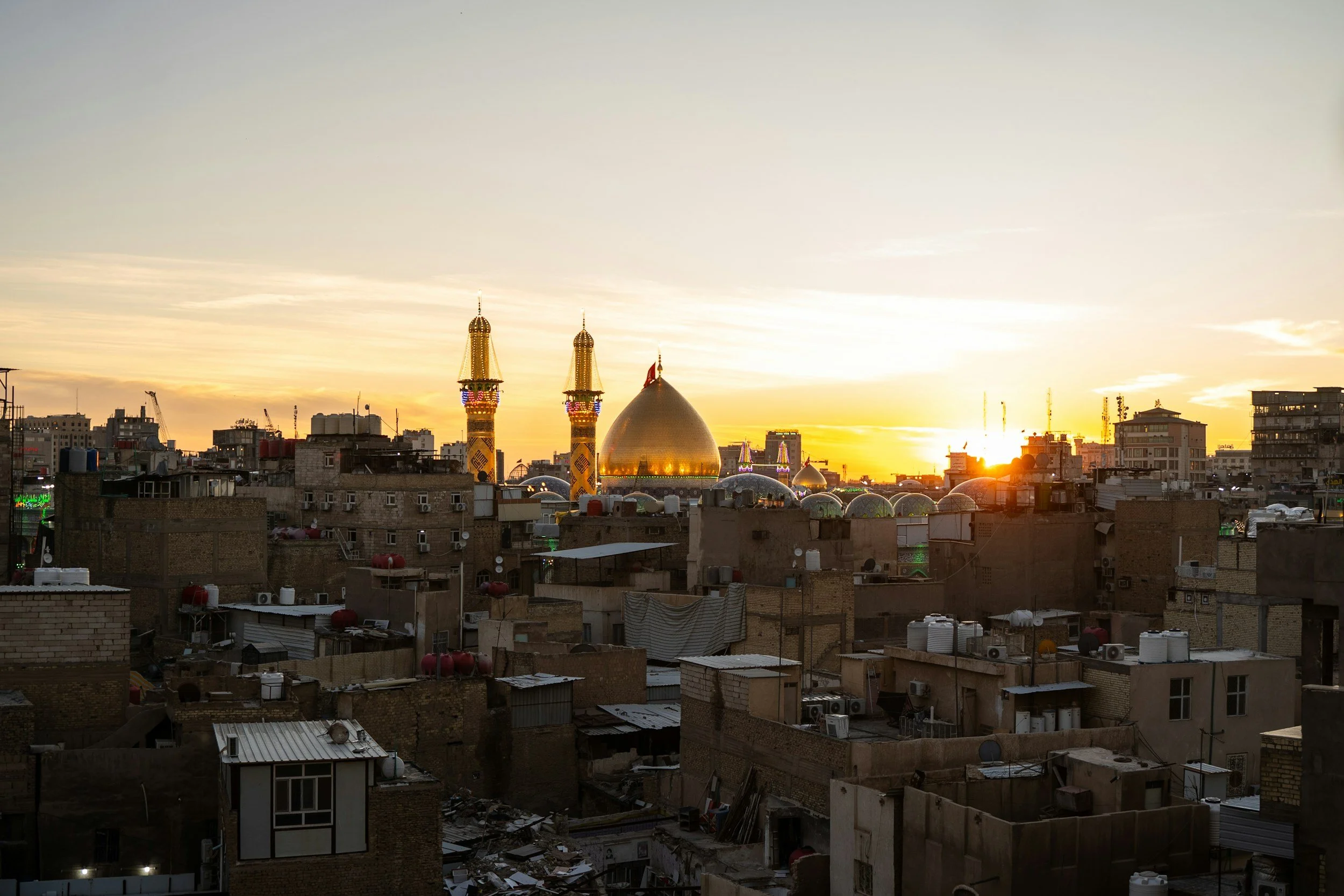
United Nations (UNAMI), Iraq
Building rehearsal systems for civic participation and youth-led climate action (2021-2023).
Quick facts
Role: Immersive storytelling advisor / trainer
Focus: Game design, immersive experience design, and Discord-based transmedia ("multiverse") storytelling
Engagement formats: Alternative Reality Game (ARG) pilots, youth hackathons, training labs, and ongoing mentoring
Geography: Multi-city participation across Iraq (including programs in the Kurdistan Region and beyond)
The strategic question
How do you strengthen youth civic engagement in a complex environment-especially when politics feels abstract, trust is fragile, and the future is experienced as constraint?
UNAMI's approach used a powerful premise: if people can rehearse decisions inside a designed world, they can build the confidence, language, and relationships required to act in the real one.
The simulation layer (what we built)
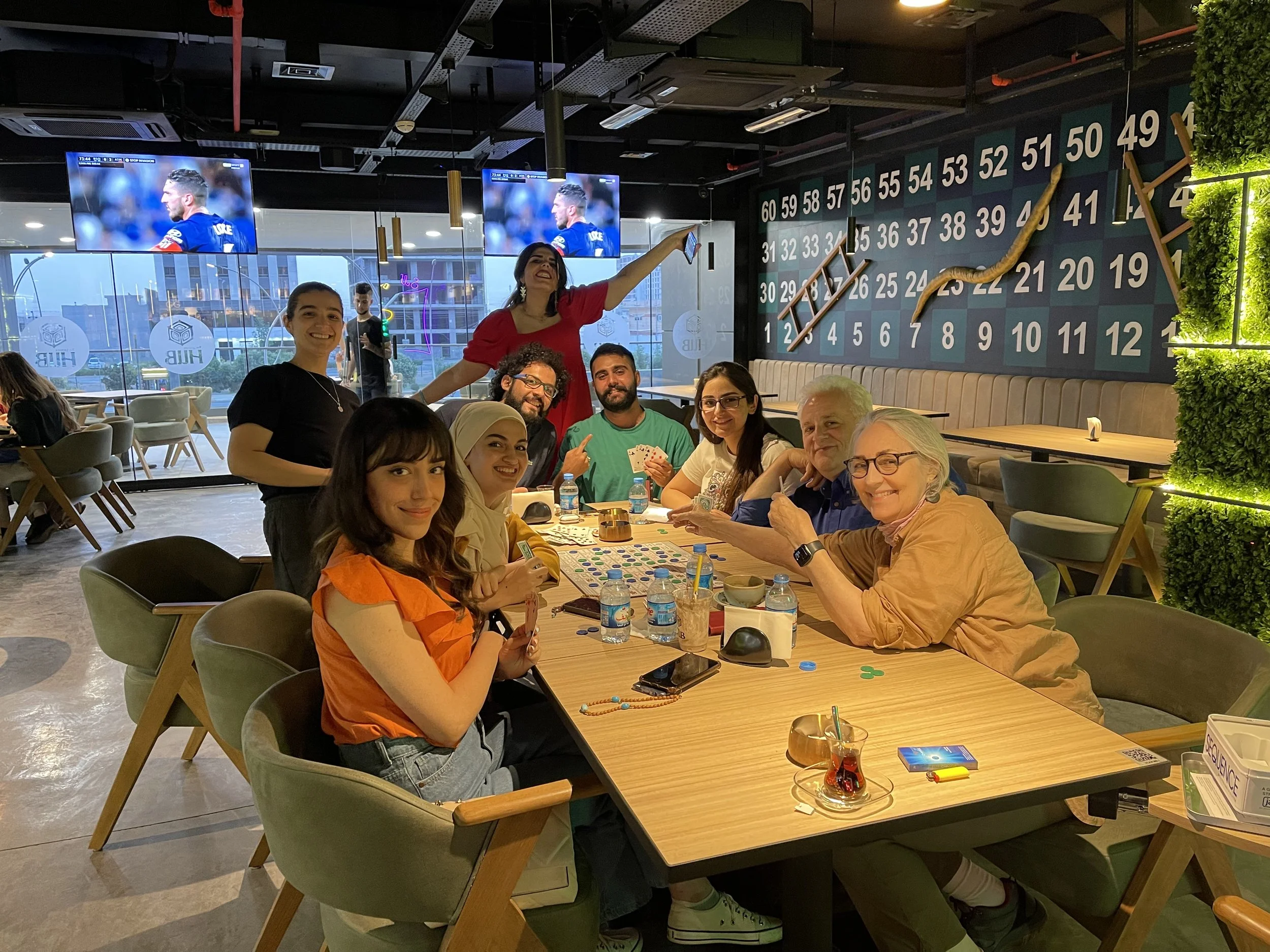
• An Alternative Reality Game (ARG) framework to turn civic challenges into navigable story problems.
• Youth hackathons to convert narrative insight into collaborative projects and proposals.
• Discord-based transmedia collaboration ("multiverse storytelling") to sustain community, roles, and participation over time.
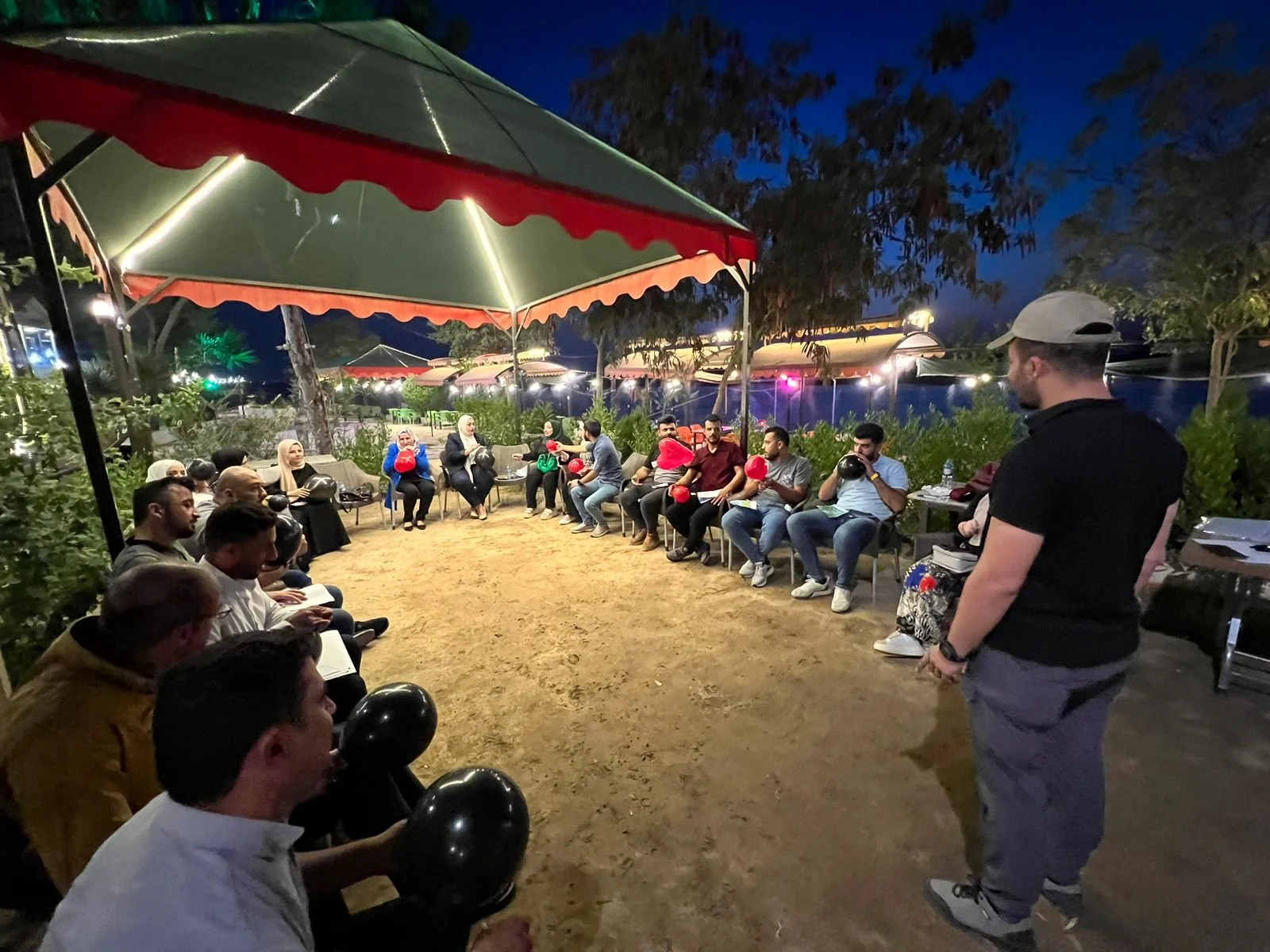
• Role-play and game-based facilitation to help participants test choices safely and practice cooperation across differences.
What made it work (design principles)
• Safety-by-design: rehearsal environments where disagreement can be held without collapse.
• Legible roles: participants know how to enter, contribute, and lead without needing permission from a single authority.
• Shared language: turning abstract issues (like climate, governance, and civic responsibility) into actionable narrative frames.
• Continuity: a world that persists across sessions so learning accumulates rather than resets.
Outcomes (impact framing)
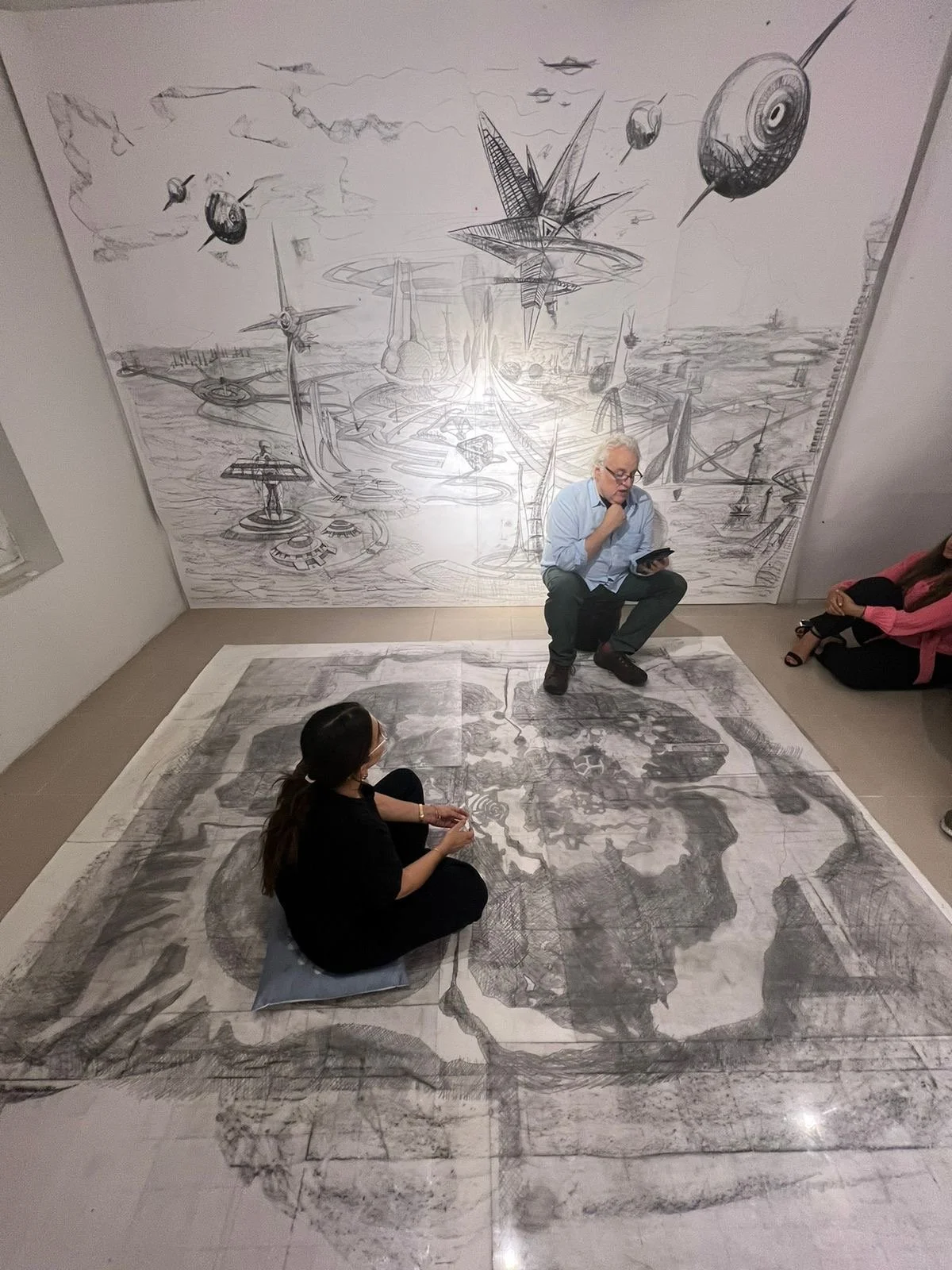
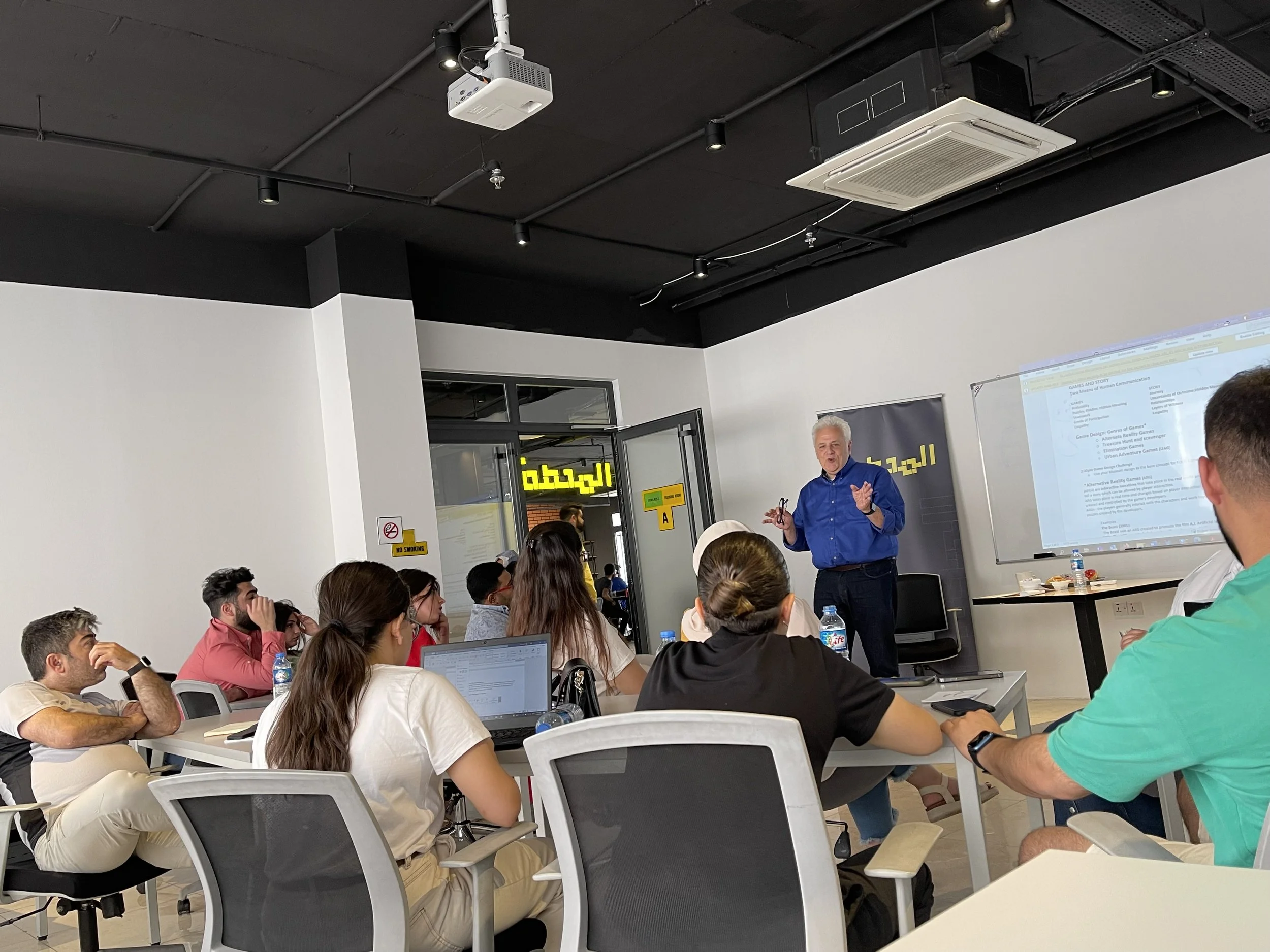
• Capacity building for youth teams in pervasive game design, transmedia storytelling, and collaborative leadership.
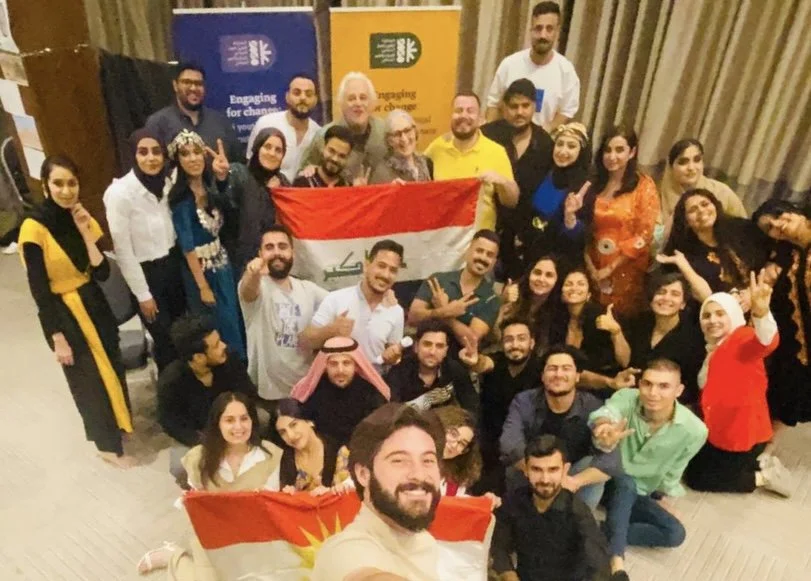
• Cross-city collaboration and relationship building through shared play and structured creative work.
• A model for civic engagement that prioritizes agency and trust rather than compliance.
What institutions learn from this case
• Education becomes more powerful when it is experiential, social, and role-based.
• In fragile contexts, rehearsal is not a luxury-it is a trust-building infrastructure.
• Digital platforms can sustain civic collaboration when they are treated as worlds with rules, not just communication tools.
Practical takeaway
In fragile or distributed contexts, participation lasts when people enter a world with legible roles, continuity, and safe rehearsal.