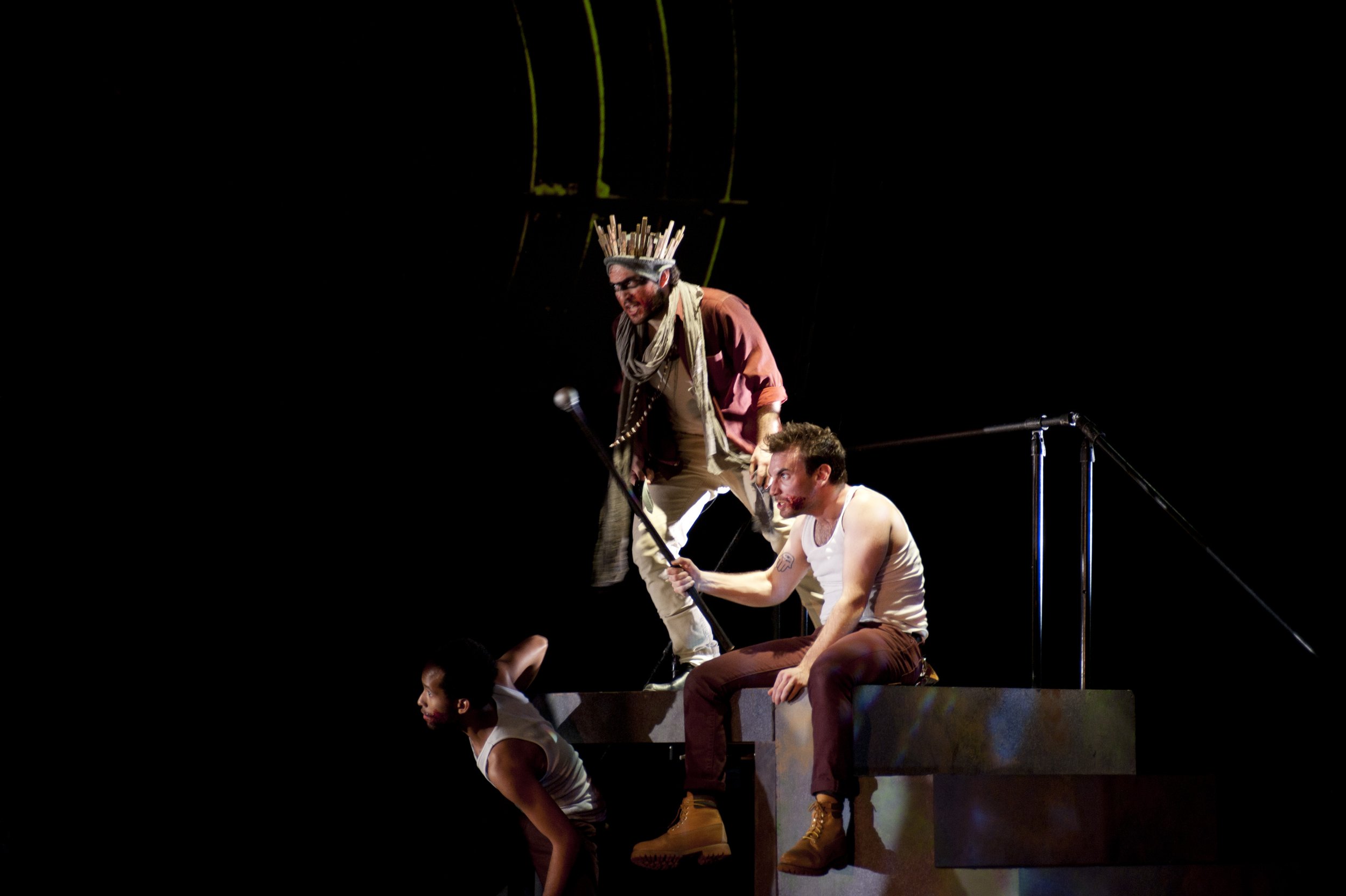
Worldbuilding is an operating system.
Worldbuilding isn't only for fiction. Every organization already builds a world-through incentives, rituals, interfaces, spatial design, and the stories it repeats. The question is whether that world is coherent enough to hold complexity without fragmentation.
Quick-scan summary
• What it is: Institutional worldbuilding that aligns narrative, culture, incentives, interfaces, space, and meaning into a coherent operating world.
• Where it helps: strategy and transformation, culture and governance, education and capability building, and long-horizon experience design.
• How to work together: Worldbuilding for Institutions Lab, Narrative Alignment Workshop, or Scenario Worlds Sprint.
Five principles
Principle 1 - Ground the vision (building begins with knowing)
Meaningful worldbuilding starts with observation, cultural literacy, and system awareness. Deep knowledge is not decoration-it's what prevents a world from becoming a shallow aesthetic with unstable logic.
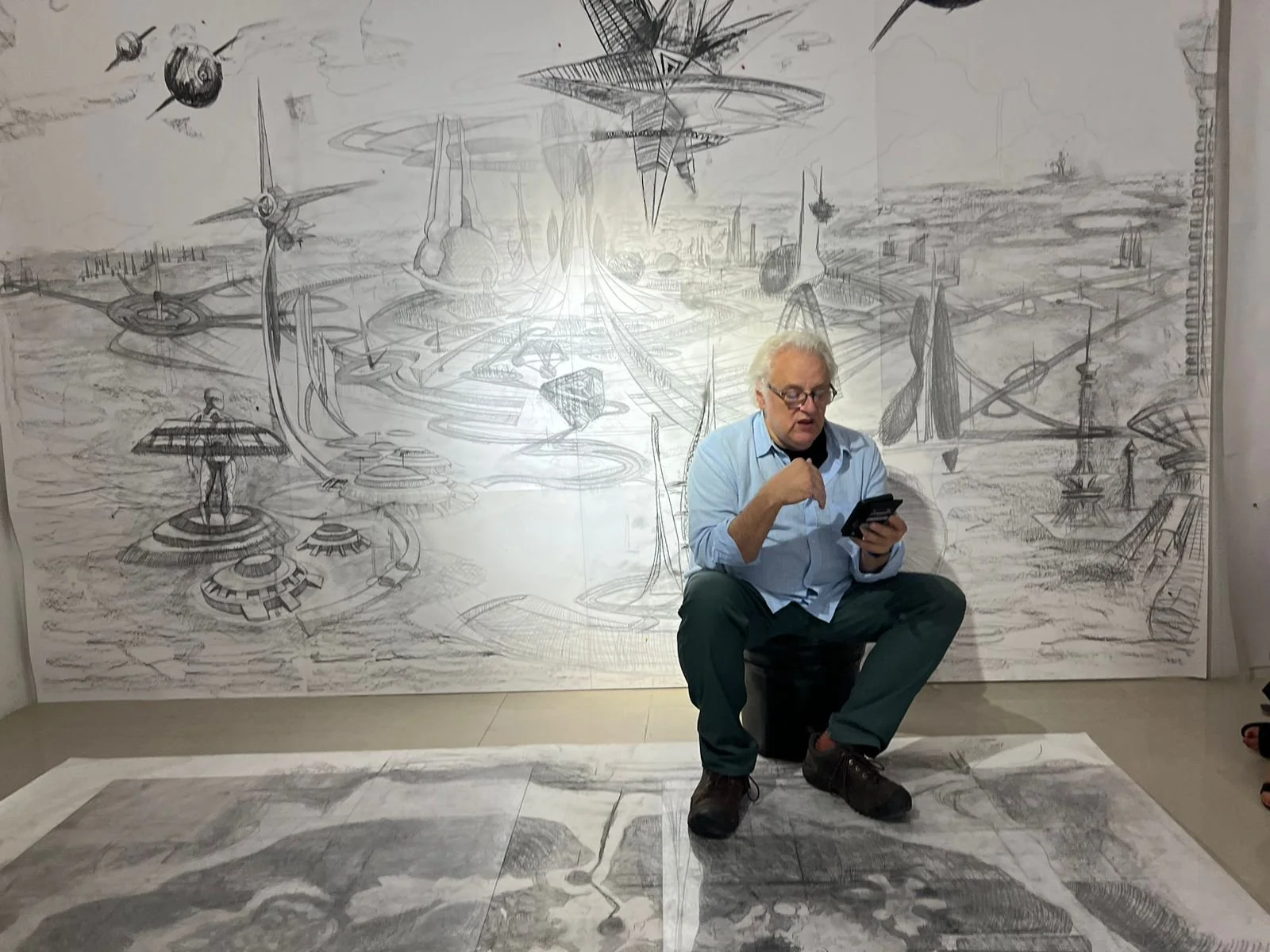
Principle 2 - See the invisible (recognize the worlds we already build)
Most rules are implicit. The invisible rules decide what is safe to say, what risks are rewarded, and who gets to lead. Worldbuilding makes these rules visible so they can be redesigned.
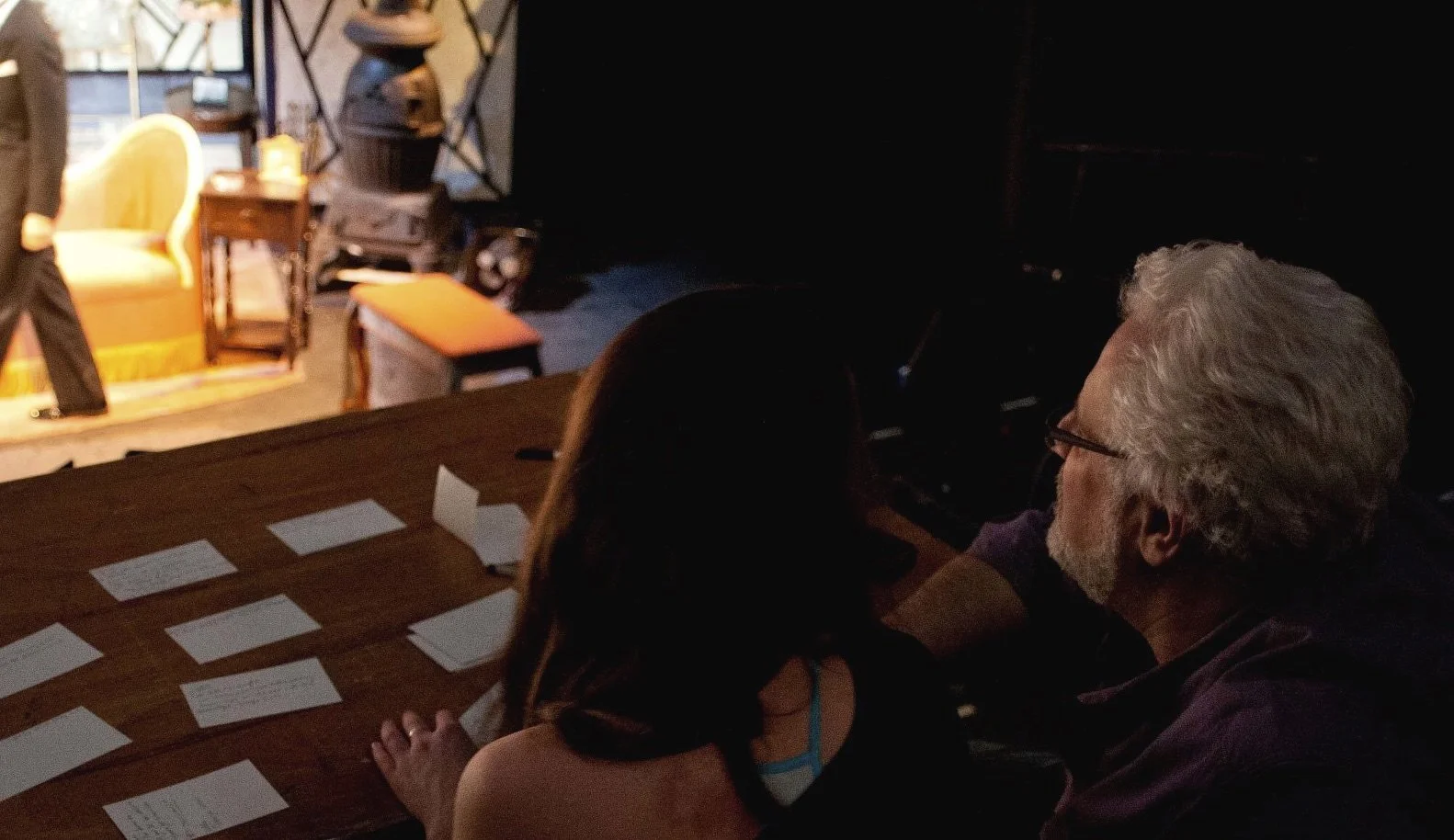
Principle 3 - Design for invitation (from control to collaboration)
Coherent worlds don't force compliance; they invite participation. Invitation is engineered through roles, permissions, rituals, and feedback loops that let people contribute without chaos.
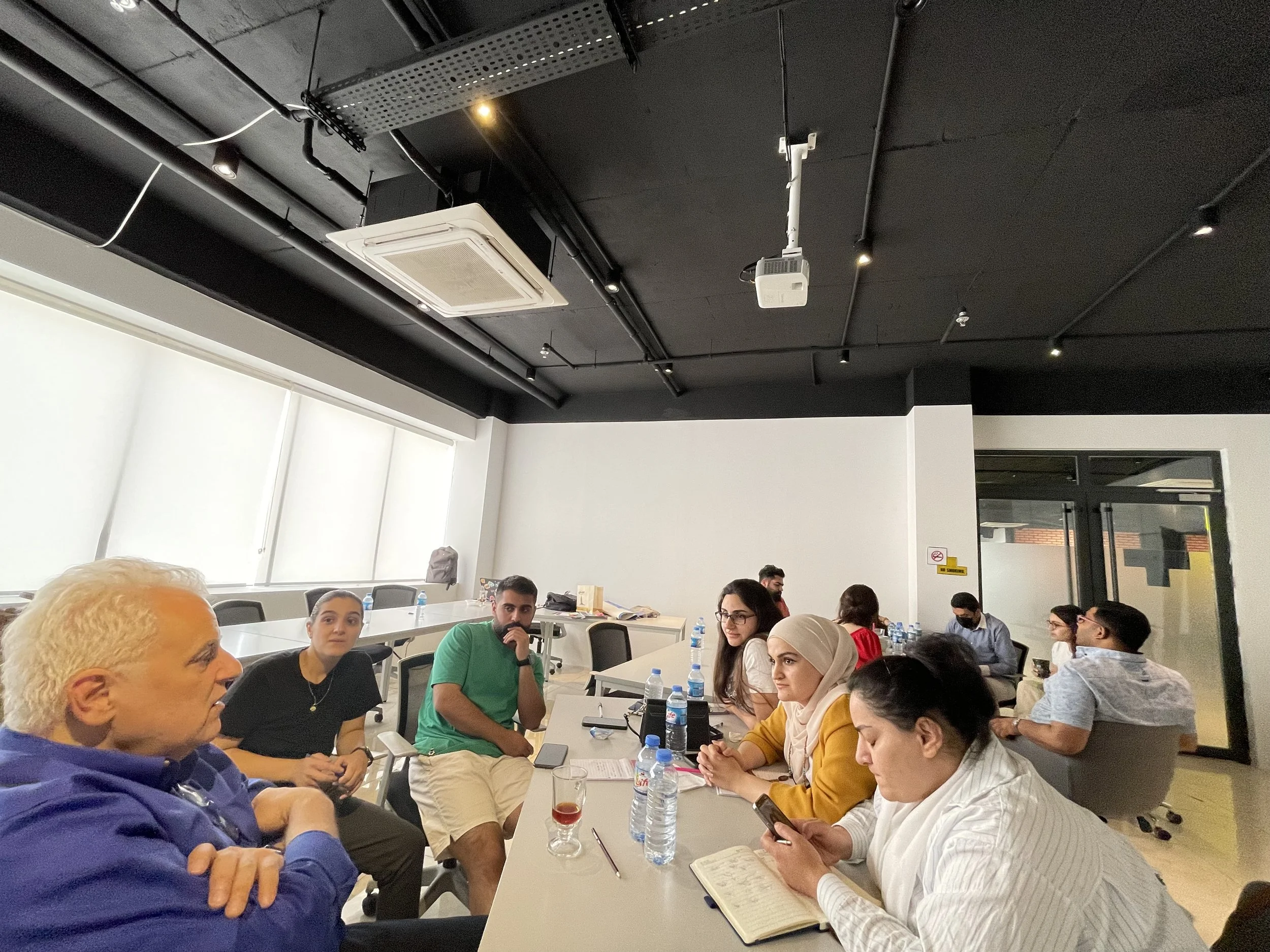
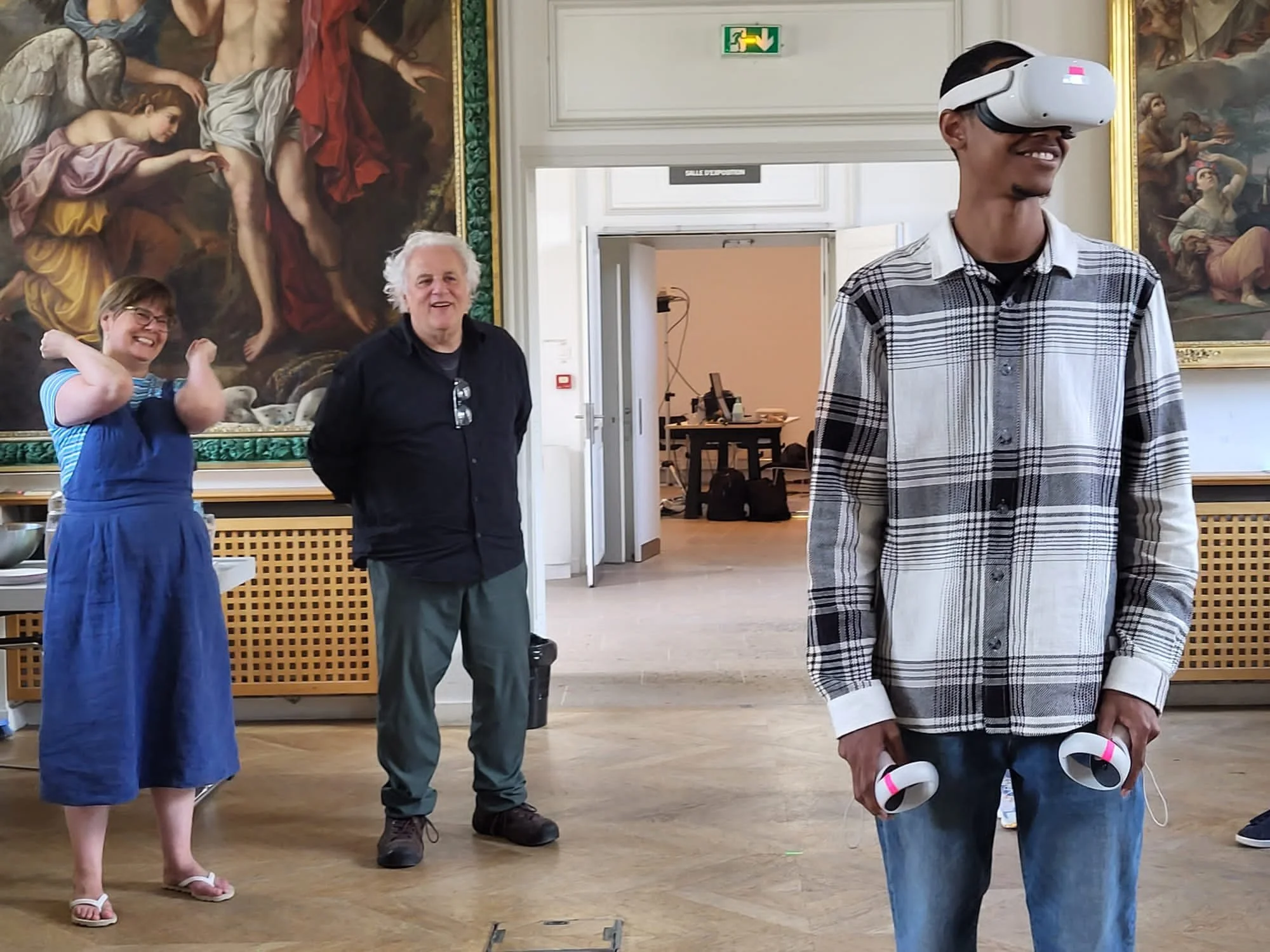
Principle 4 - Play the world alive (embodied, immersive, shared)
A world becomes real when people can inhabit it through embodied action. Play is not frivolous-it's a way teams practice consequence, empathy, and responsibility when outcomes matter.
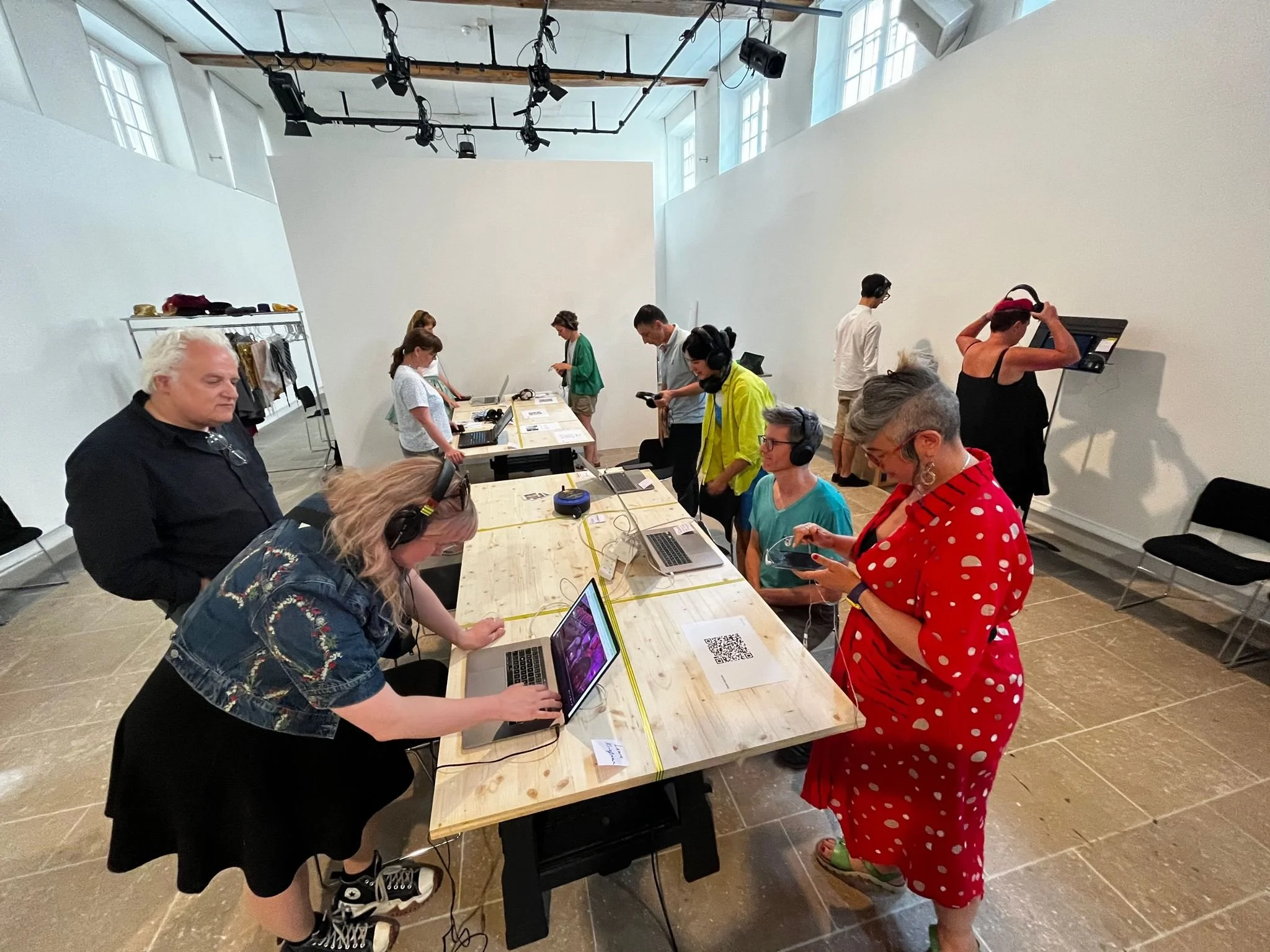
Principle 5 - Prototype the possible (tools for radical imagination)
Worlds should be tested before they are scaled. Prototypes-experiential, not just conceptual-let groups rehearse futures, reveal failure points, and build shared language for change.
Where this shows up (examples)
Strategy and transformation: when a vision exists but behavior doesn't change.
Culture and governance: when incentives, rituals, and decision rights contradict stated values.
Education and capability building: when people need shared language, not more information.
Experience design: when environments must sustain participation over time, not just impress on day one.
Ways to work together
Worldbuilding for Institutions Lab - Clarify the current "world," identify contradictions, and design a coherent operating mythology teams can inhabit.
Narrative Alignment Workshop - Translate strategy into roles, rituals, and decision practices that produce the behavior you want.
Scenario Worlds Sprint - Build multiple plausible worlds, rehearse decisions inside them, and stress-test assumptions before commitment.