
Systems of Rehearsal
Every organization already operates inside a designed world. I build systems that make that world visible, testable, and improvable.
In practice, this means clarifying the world that is already producing behavior, rehearsing choices inside believable constraints, and translating what the system reveals into repeatable operating practice.
Most strategy fails not because ideas are weak, but because the system surrounding them is misaligned.
Behavior is trained by spatial design, incentive structures, participation rules, narrative logic, attention rhythms, and technological interfaces.
Before I worked in XR, AI, or civic simulation, I learned this in two laboratories: the theatre and the theme park.
Those were never separate careers. They were the origin engines of my systems practice.
Theatre directing as rehearsal architecture
The theatre is the original simulation engine. In rehearsal rooms and live performance environments, I learned to design attention, rhythm, identity, and consequence inside a protected container where stakes are real but survivable.
Directing trained me to build environments where assumptions surface, roles shift, blind spots become visible, and unintended behavior appears early. That same logic now informs executive simulation labs, civic participation systems, and hybrid experience design.
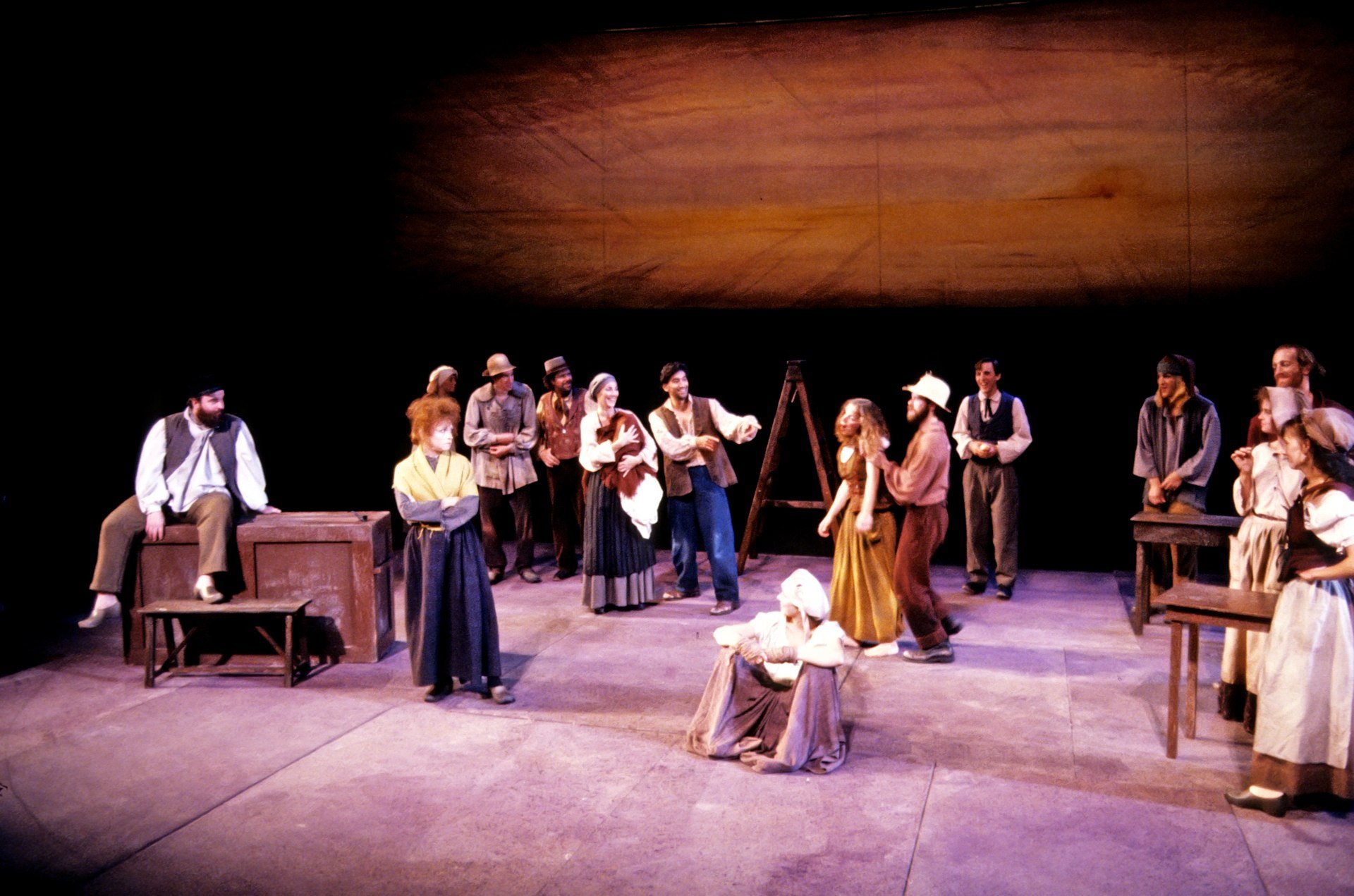
What directing trained (transferable capabilities)
• Attention architecture (what people notice, miss, and misread)
• Rhythm and pacing under pressure
• Ensemble dynamics as governance
• Consent and ethical participation
• Friction as learning (how systems reveal truth)
Theme park design as world rollout strategy
Theme parks and destination environments taught me scale. A park is not a collection of attractions - it is a world that must manage multiple entry points, multi-path journeys, onboarding without explanation, and meaning that survives contact with real people over time.
This work became my laboratory for worldbuilding as infrastructure: phased rollout, replay value, spatial sequencing, crowd psychology, and operational coherence aligned with narrative logic.
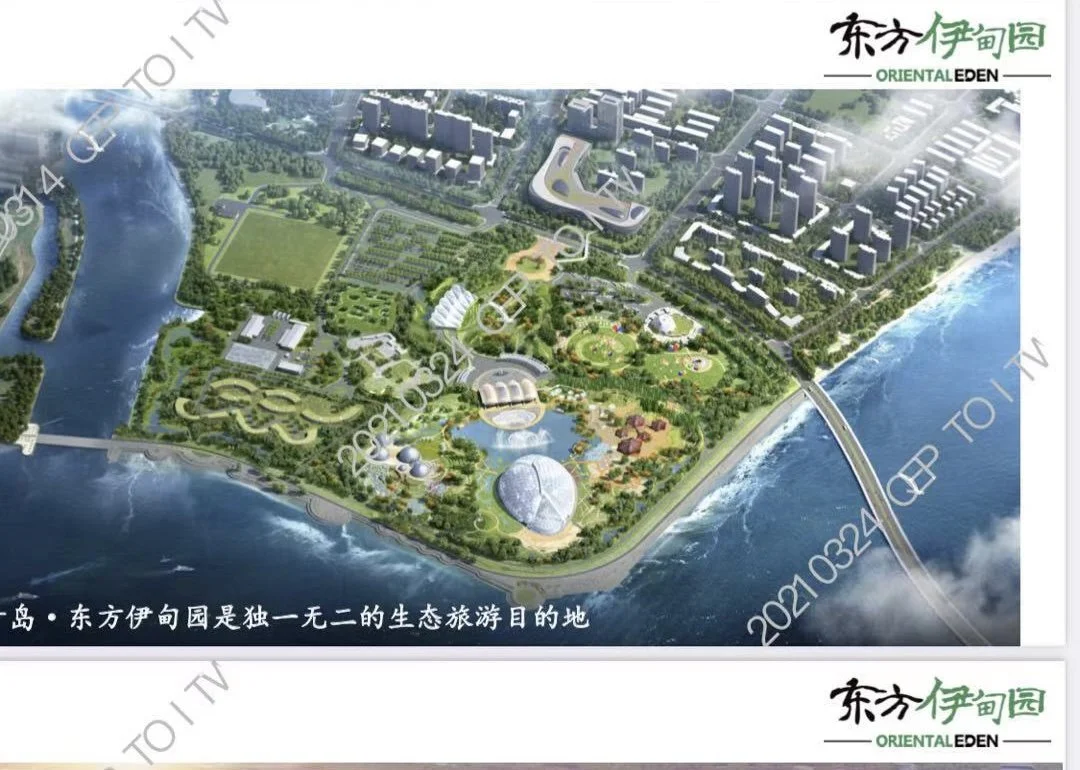
What destination design trained (transferable capabilities)
• Multi-path narrative systems and replay value
• Spatial sequencing as emotional escalation
• Onboarding at scale (clarity without over-explaining)
• Operational + myth alignment (infrastructure that supports meaning)
• Phased rollout (events, ambient layers, episodic arcs)
From rehearsal room to intelligent systems.
1 - Theatre
Rehearsal as human simulation.
What it taught me:
• Attention is designed.
• Rhythm shapes perception.
• Identity is flexible under pressure.
• Ensemble is governance.
• Friction reveals truth.
• Consequence must be felt to be learned.
Core capability developed: Embodied systems design.
2 - Theme park / destination design
Worldbuilding at public scale.
What it taught me:
• A park is a world, not a collection of attractions.
• Entry points matter more than spectacle.
• Spatial sequencing controls emotion.
• Participation must scale.
• Infrastructure must support meaning.
• Replay value requires layered narrative architecture.
Core capability developed: Large-scale spatial dramaturgy.
3 - Immersive & XR systems
Hybrid participation architecture.
What it taught me:
• Technology multiplies agency - and confusion.
• Hybrid systems must preserve emotional coherence.
• Audience contracts must be explicit.
• AR and AI must reinforce narrative stakes, not fragment them.
Core capability developed: Distributed authorship design.
4 - Civic & institutional rehearsal
Participation as public practice.
What it taught me:
• Participation must be scaffolded.
• Cultural context is an operating system.
• Onboarding determines trust.
• Mentoring is infrastructure.
• Play lowers resistance to complex topics.
Core capability developed: Collective intelligence design.
5 - AI & intelligent systems
Designing futures under acceleration.
What it taught me:
• AI multiplies possible futures.
• Simulation is now cheap.
• Delusion is also cheap.
• Integrity inside the simulation is the advantage.
• Friction must be designed intentionally.
Core capability developed: Consequence visibility at scale.
From stage to system
Theatre trained the body. Theme parks trained space. XR trained hybrid coherence. Civic work trained collective agency. AI now trains acceleration.
Together, they form a single discipline: Design the world -> Rehearse the decision -> Observe behavior -> Adjust the system -> Scale responsibly.
The four system lenses
Worldbuilding as Strategy
Align roles, incentives, rituals, and meaning so people can inhabit a coherent world.
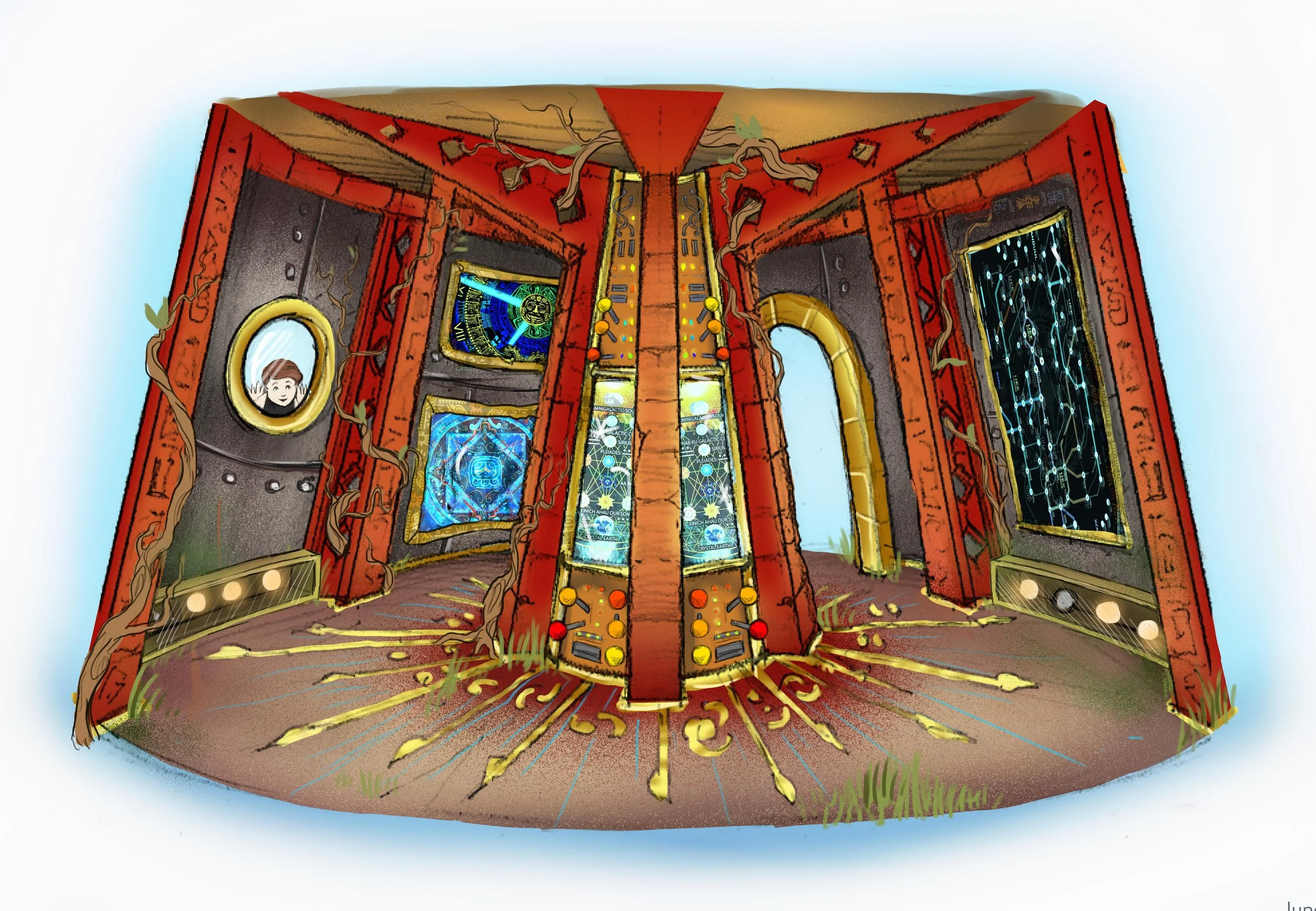
Embodied Performance Systems
Design live and participatory environments where attention, agency, and consequence become legible.

Technology as Meaning Layer
Use AR, AI, and game logic to clarify stakes and sustain coherence rather than fragment attention.
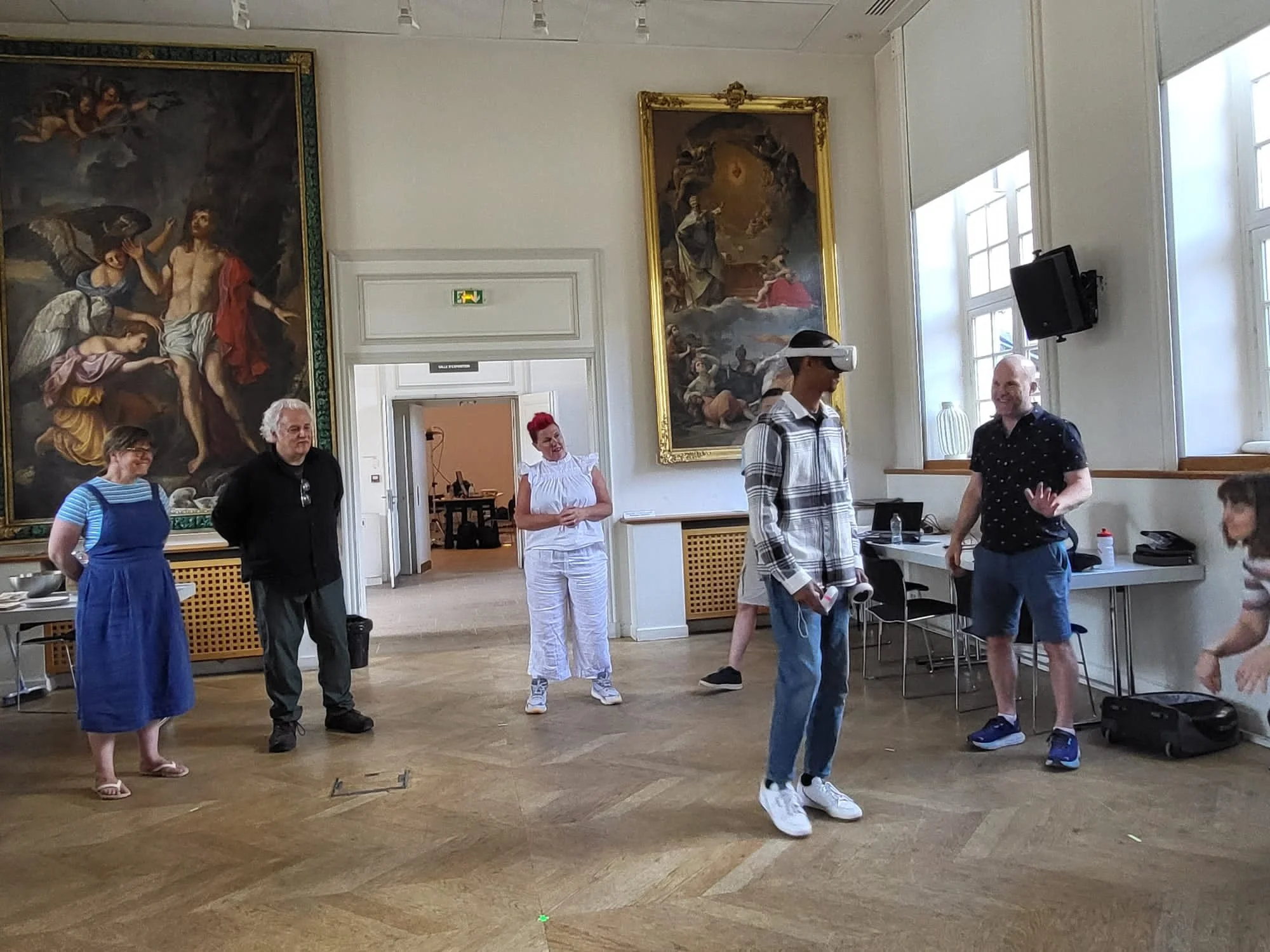
Teaching as Infrastructure
Turn methods into repeatable courses, frameworks, and learning environments that scale capability.
Books, essays, and longform frameworks
• Spatial Narrative: Designing Worlds Instead of Stories - A method for treating environments as narrative engines and spaces as causality.
• Directing Next - Directing as systems design across live performance, participatory play, and mixed media.
• Becoming Architects of Intelligence - AI as a cultural and ethical terrain: creative agency, literacy, and responsibility.
• Simulation Theory for Future Strategy - Why prediction fails in nonlinear systems and why rehearsal builds capacity.
• Worldbuilding Unbound - Five principles for crafting realities that are inclusive, legible, and alive.