When people can feel the system, they can change it.
I design embodied performance systems-live, hybrid, and participatory environments where attention, agency, and meaning are authored through rules, roles, and spatial choreography.
Quick-scan summary
What it is: Live, hybrid, and participatory environments authored through rules, roles, liveness, and spatial choreography.
Where it helps: audience experience design, hybrid performance systems, participatory facilitation, and environments where attention and consequence must be legible.
How to work together: participatory system design, rehearsal architecture, hybrid experience development, and live-format reviews.
What an embodied performance system is
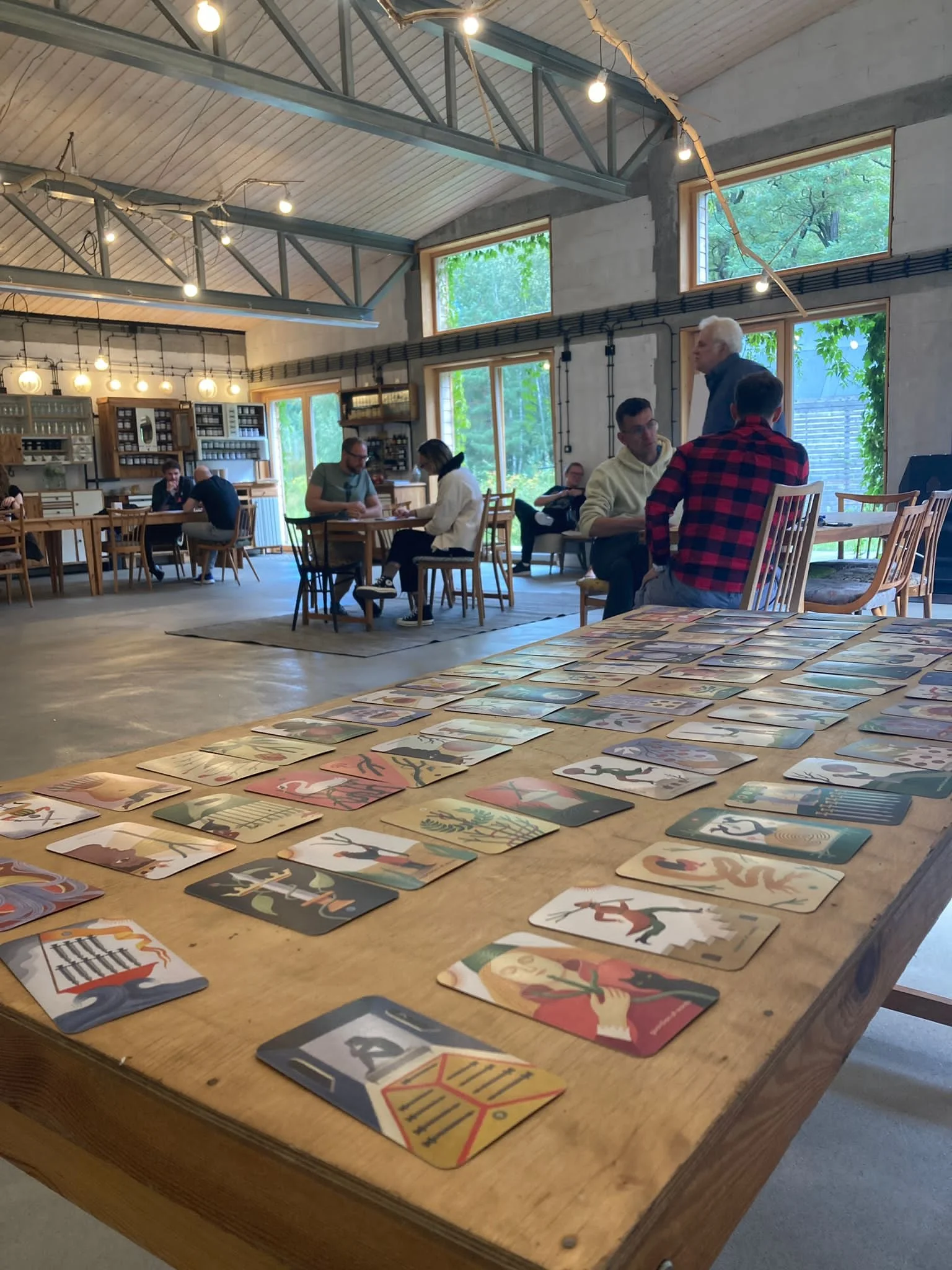
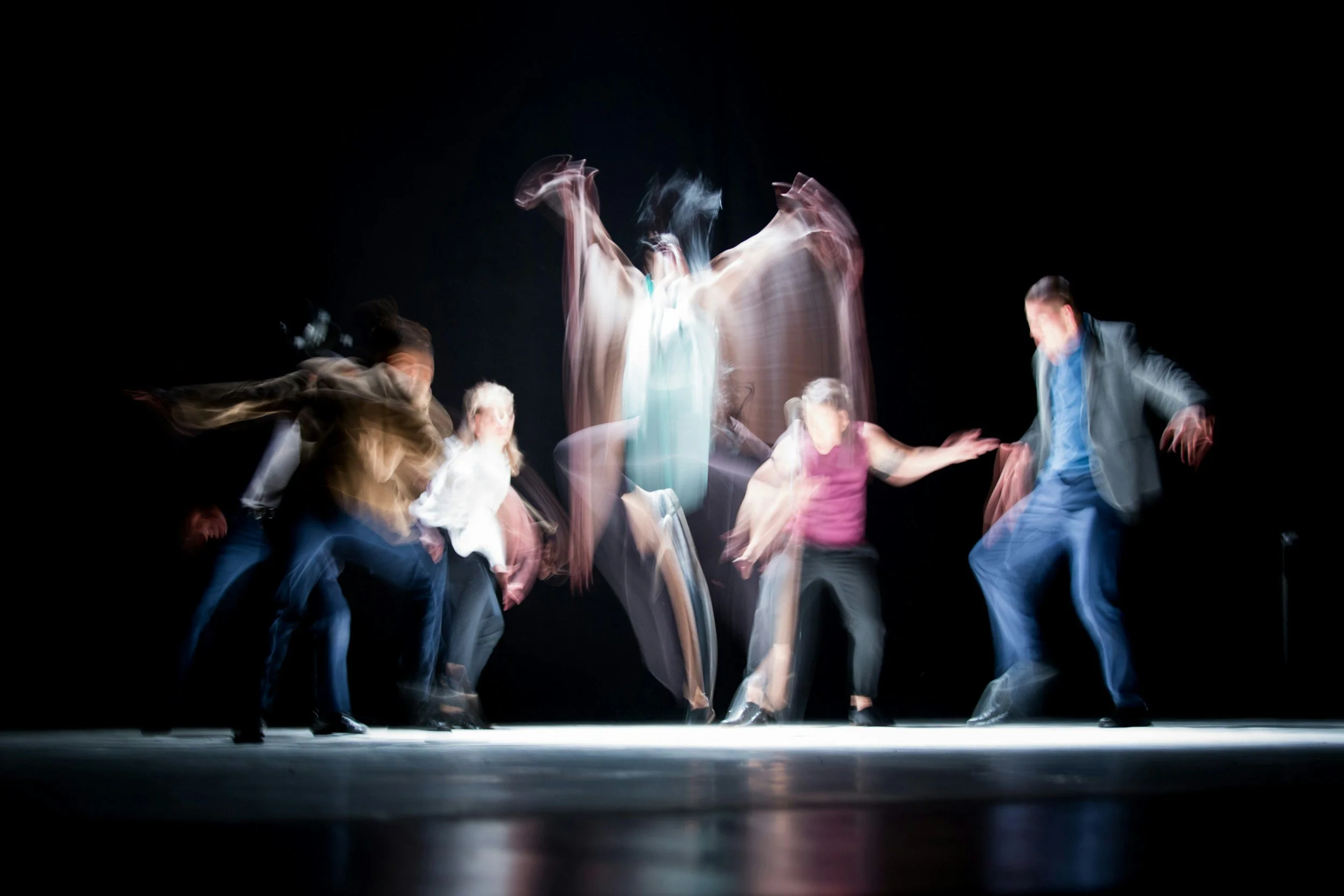
A performance system is more than a show. It is a behavioral engine: a designed situation that shapes how people listen, move, decide, trust, and collaborate. The craft is not adding interaction-it's authoring liveness when control is distributed.

Design lenses (usable across art, culture, and institutions)
• Performance + cognition: the body reads the room before the mind forms an opinion.
• Liveness + game mechanics: meaningful choice requires constraints, feedback, and consequence.
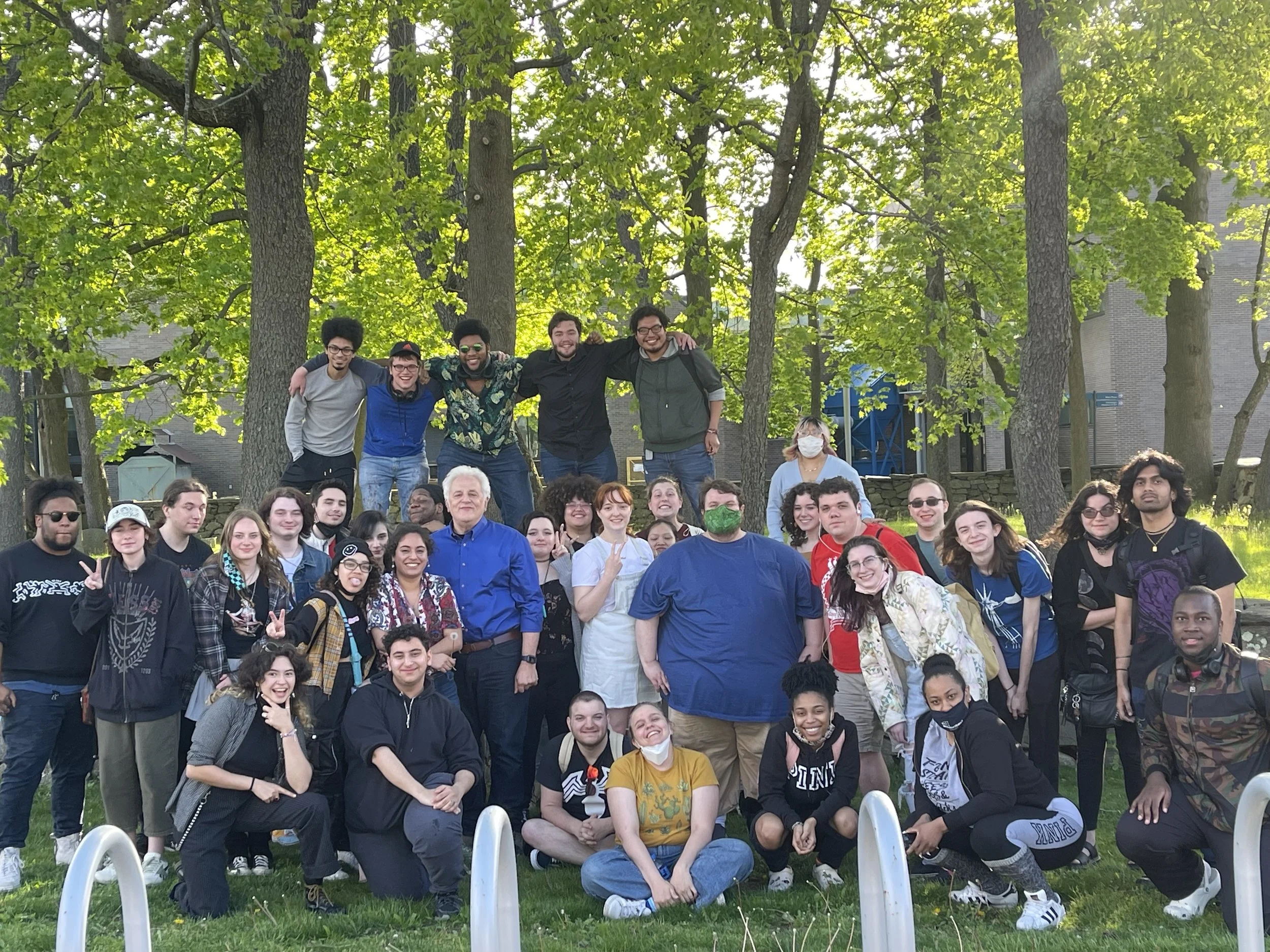
• Audience as co-author: participation is designed through permissions, not hype.
• Space as causality: thresholds, orientation, and proximity determine what is possible.
Tool: The Director's Compass (for cross-platform experiences)
• Time - phases of engagement (before, during, after; synchronous + asynchronous).
• Design - story structure + game dynamics + participation levels.
• Site - location, objects, sensory cues, and locative meaning.
• Intent - purpose, values, and what the experience trains people to become.
• Persona - roles/characters/ensembles and the behavior each role invites.