Simulation Theory for Future Strategy
Quick facts
Format: keynote, workshop, simulation lab, or ongoing advisory
Best fit: executive strategy resets, resilience work, innovation portfolios, and culture alignment
Core deliverables: Simulation Map, Rehearsal Protocol, Scenario Worlds, and next-step experiments
Every organization believes it is making decisions based on reality. In truth, every organization makes decisions based on a model of the future-whether it admits it or not. The risk today is not uncertainty. The risk is unexamined certainty. The future is not impressed by strategy. It is impressed by rehearsal.
What this framework does
Reveals the simulations already governing your organization (dashboards, forecasts, incentives, and cultural norms).
Distinguishes prediction from rehearsal-and shows why rehearsal remains useful even when models are wrong.
Builds repeatable rehearsal protocols: how teams practice decisions before they become expensive.
Turns strategy into embodied practice: roles, rules, stress-tests, and feedback loops that train better judgment.
Common use cases
Executive strategy resets and transformation programs
Risk, resilience, and crisis preparation (beyond tabletop checklists)
Innovation portfolios where "optimization" is creating brittleness
Culture alignment when incentives contradict values
Format options
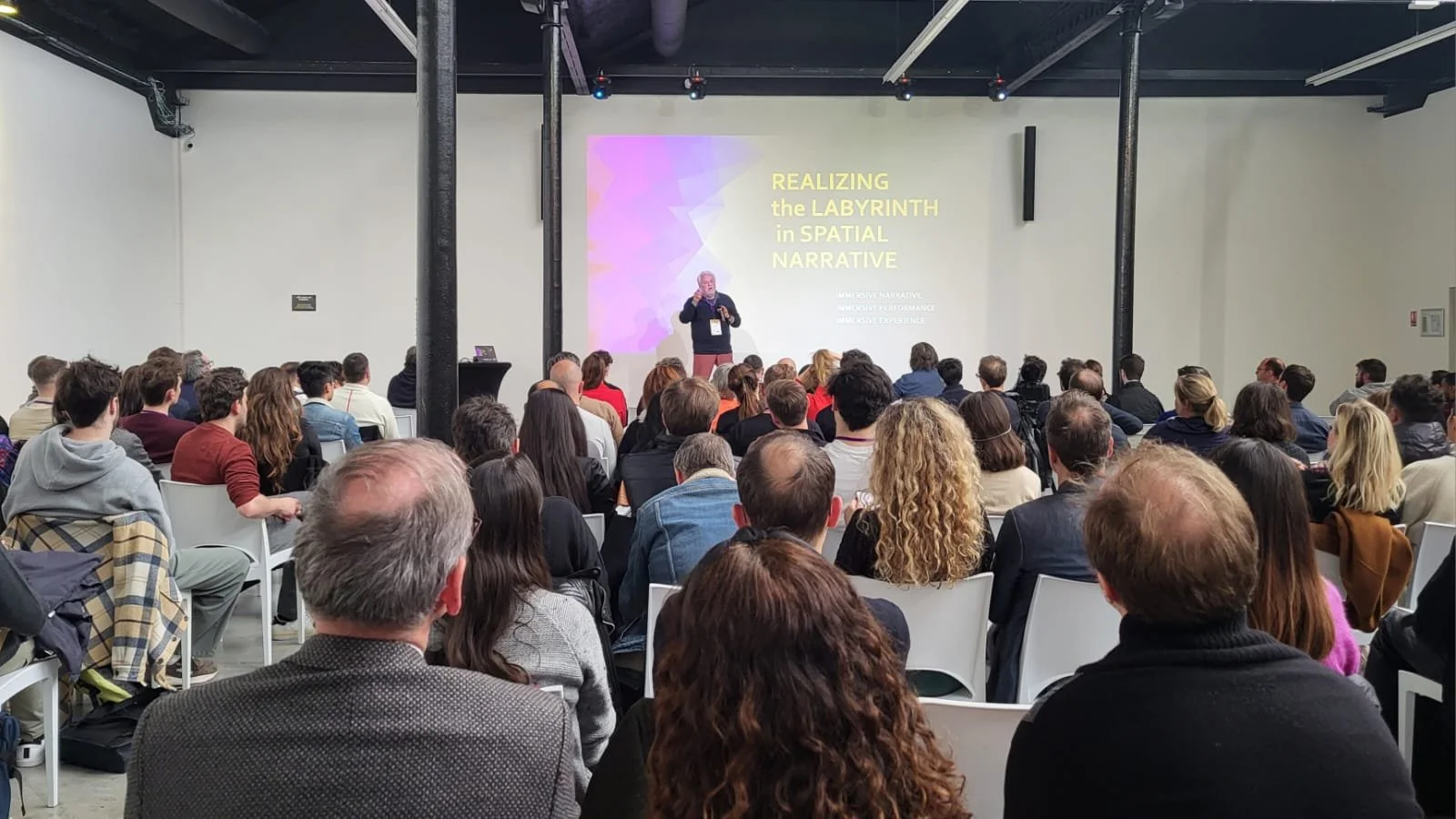
Keynote / talk (60-90 minutes): Why rehearsal beats prediction in nonlinear systems
Workshop (half-day): Map your current simulations and design rehearsal experiments
Simulation Lab (1-2 days): Run a facilitated rehearsal, capture patterns, translate into operating practice
Ongoing advisory: Build an internal rehearsal discipline and train facilitators
Deliverables
Simulation Map: the models and assumptions currently driving decisions
Rehearsal Protocol: repeatable exercises, roles, and decision rules
Scenario Worlds: 2-4 plausible futures used to stress-test strategy
Next-step Experiments: a short list of actions to validate assumptions in real conditions
Practical takeaway
Institutional value: when planning becomes brittle, rehearsal builds decision capacity without pretending certainty.