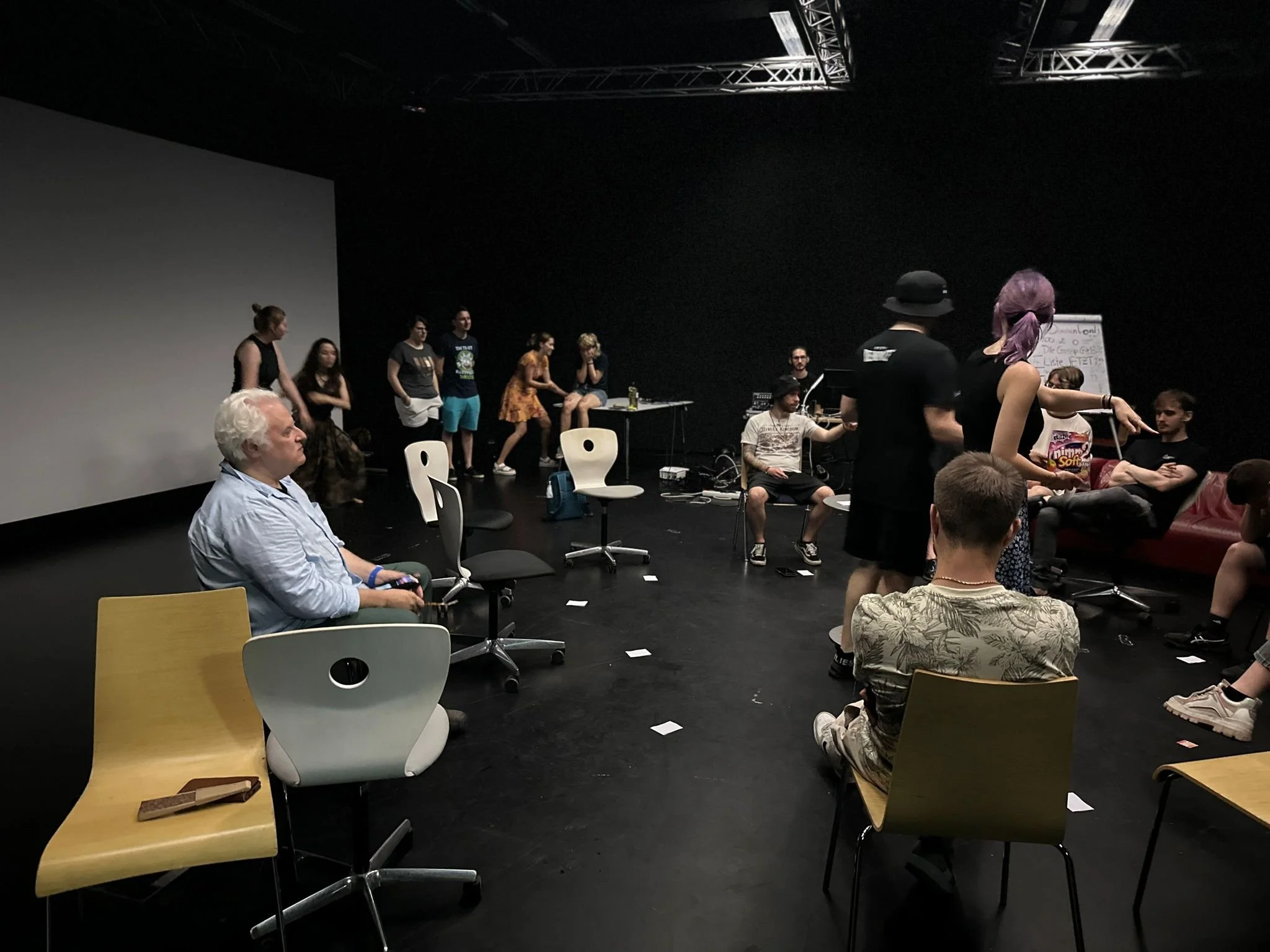
Technology doesn't create meaning. It reveals it-or distorts it.
AR, AI, and game systems can deepen liveness and agency when they clarify what matters. When they compete for attention, they flatten emotion and fracture the world.
Quick-scan summary
What it is: AR, AI, and game systems used to clarify stakes, reinforce embodied action, and sustain coherence across touchpoints.
Where it helps: hybrid performance, multi-platform participation, institutional communication systems, and ethically-authored AI or XR experiences.
How to work together: technology meaning-layer reviews, interaction design frameworks, and authored participation systems.
When technology clarifies meaning
• It makes stakes legible: people understand what changes because of their choices.
• It supports embodied action: interaction reinforces what the body is already sensing in the space.
• It creates continuity: the world persists across time, platforms, and touchpoints without losing coherence.
• It strengthens trust: participation is ethical, transparent, and safe to enter.
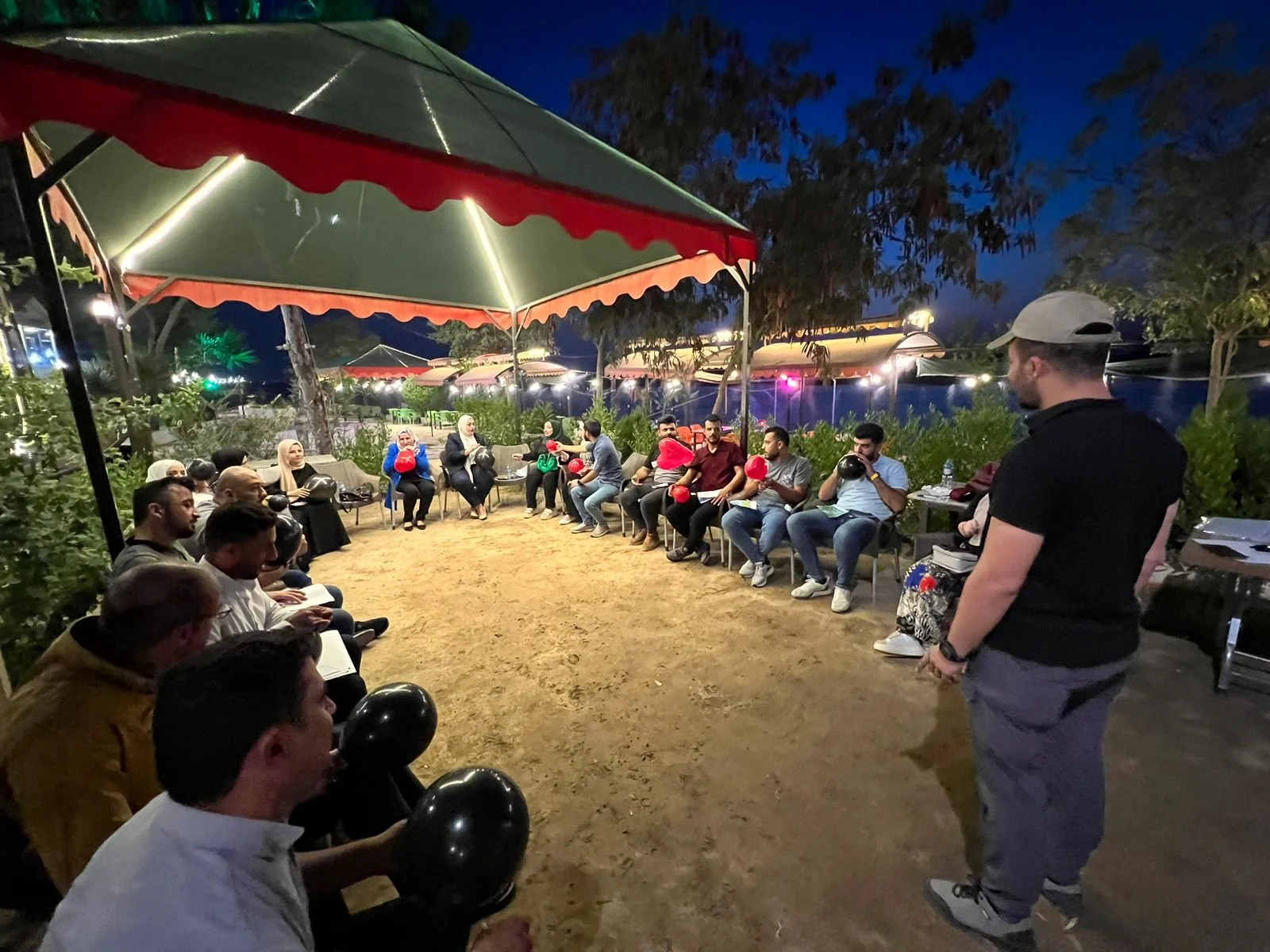
When technology obscures meaning
• It becomes spectacle that competes with emotion instead of carrying it.
• It adds options without consequence (agency theater).
• It overloads cognition and fragments attention across too many channels.
• It introduces AI/automation without a clear value system or governance.

Practical design principles (paste-ready)
Start with intent, not tools. If you can't state the value system, the tech will invent one.
Design constraints first: meaningful choice needs boundaries, not infinite options.
Use interfaces as dramaturgy: UI/UX is part of the story's causality.
Treat data as narrative material: what the system measures is what it trains people to care about.
Build ethics into the interaction loop: consent, clarity, and safety are part of authorship.
Case logic

AURORA - AR + mobile gameplay + AI avatars orchestrated as one authored experience (View Case Study).
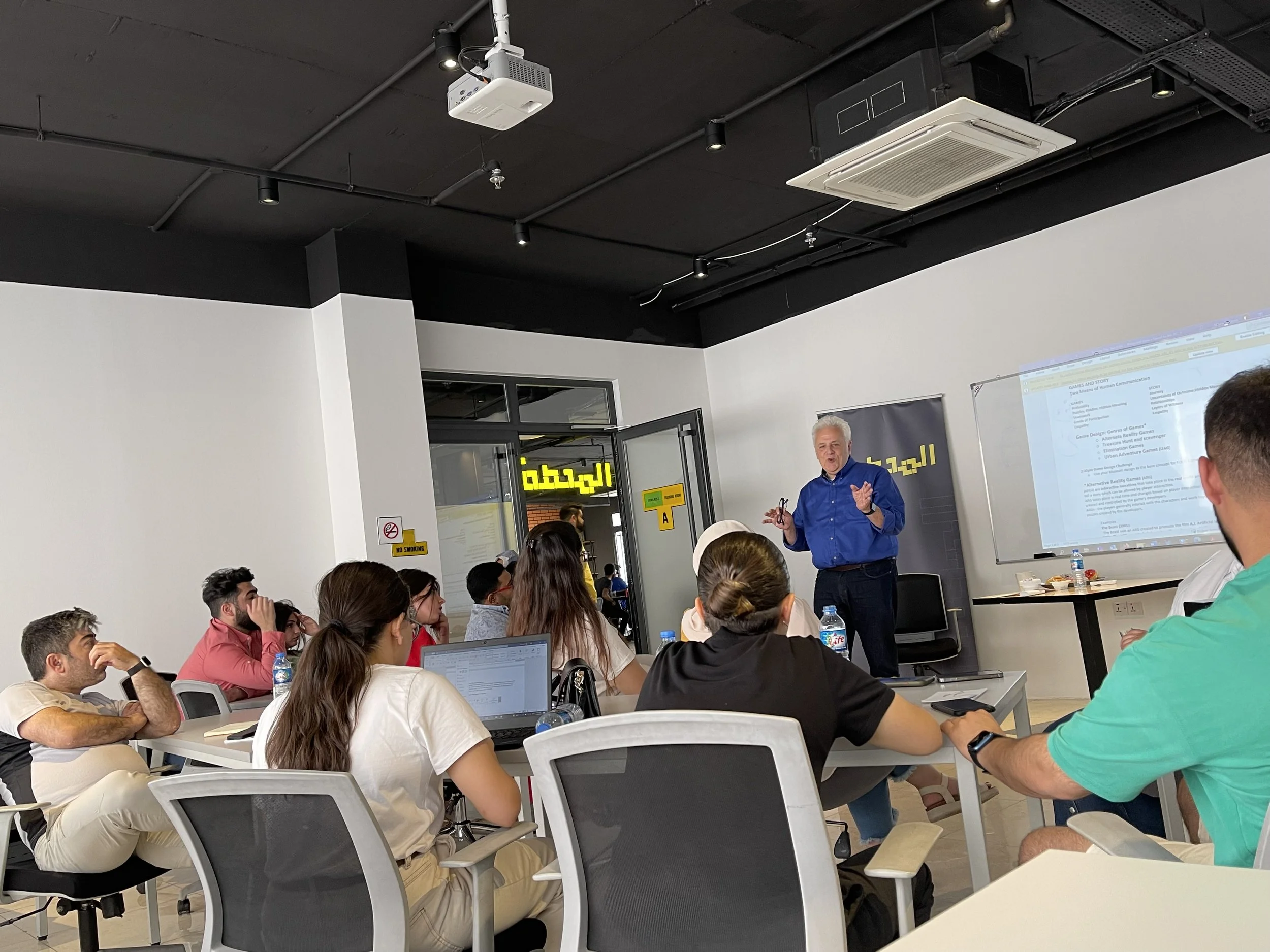
UNAMI Iraq - Discord-based transmedia storytelling used to sustain collaboration across cities (View Case Study).
Longform work: Becoming Architects of Intelligence
I approach AI as a cultural and ethical terrain-not simply a technology stack. Becoming Architects of Intelligence invites artists, educators, and system designers to engage AI with clarity, creative agency, and responsibility, bridging technical literacy with social consequence.