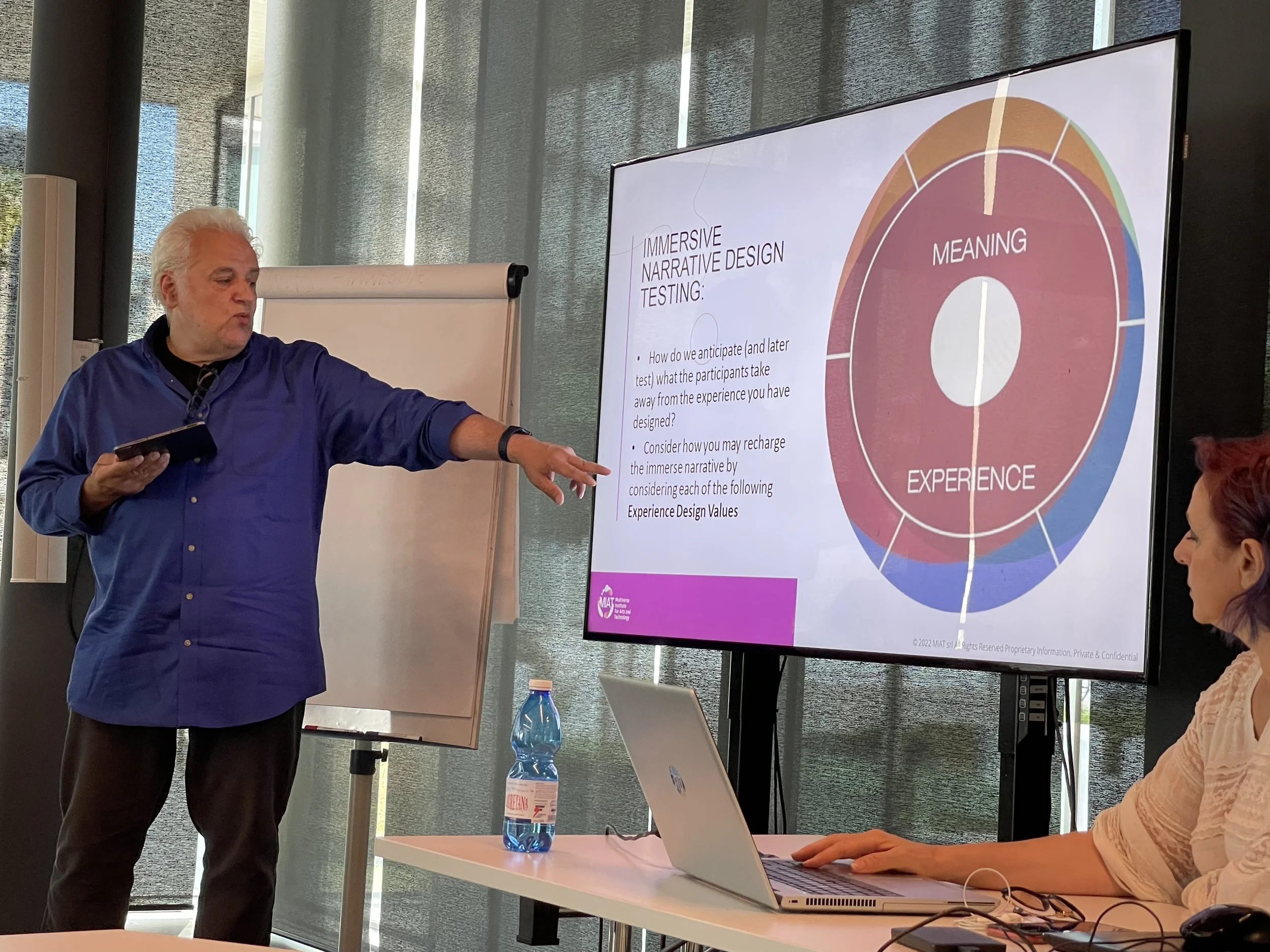
Education scales worlds.
Teaching is not a side role in my work-it's infrastructure. It's how methods become repeatable, how shared language is built, and how a world outlasts a single project.
Quick-scan summary
What it is: Courses, labs, and repeatable methods that turn complex ideas into shared language and durable capability.
Where it helps: universities, leadership cohorts, institutional transformation, faculty development, and cross-disciplinary training.
How to work together: course design, custom institutional labs, residencies, intensives, and cohort-based learning environments.
What I teach (themes)
• Spatial Narrative - designing environments as narrative engines.
• Transmedia & participatory storytelling - story across platforms with audience agency.
• Immersive and hybrid experience design - liveness, rules, and interaction.
• Strategic rehearsal - simulation as a discipline for decision quality under uncertainty.
• AI literacy for creatives - creative agency, ethics, and embodied futures.
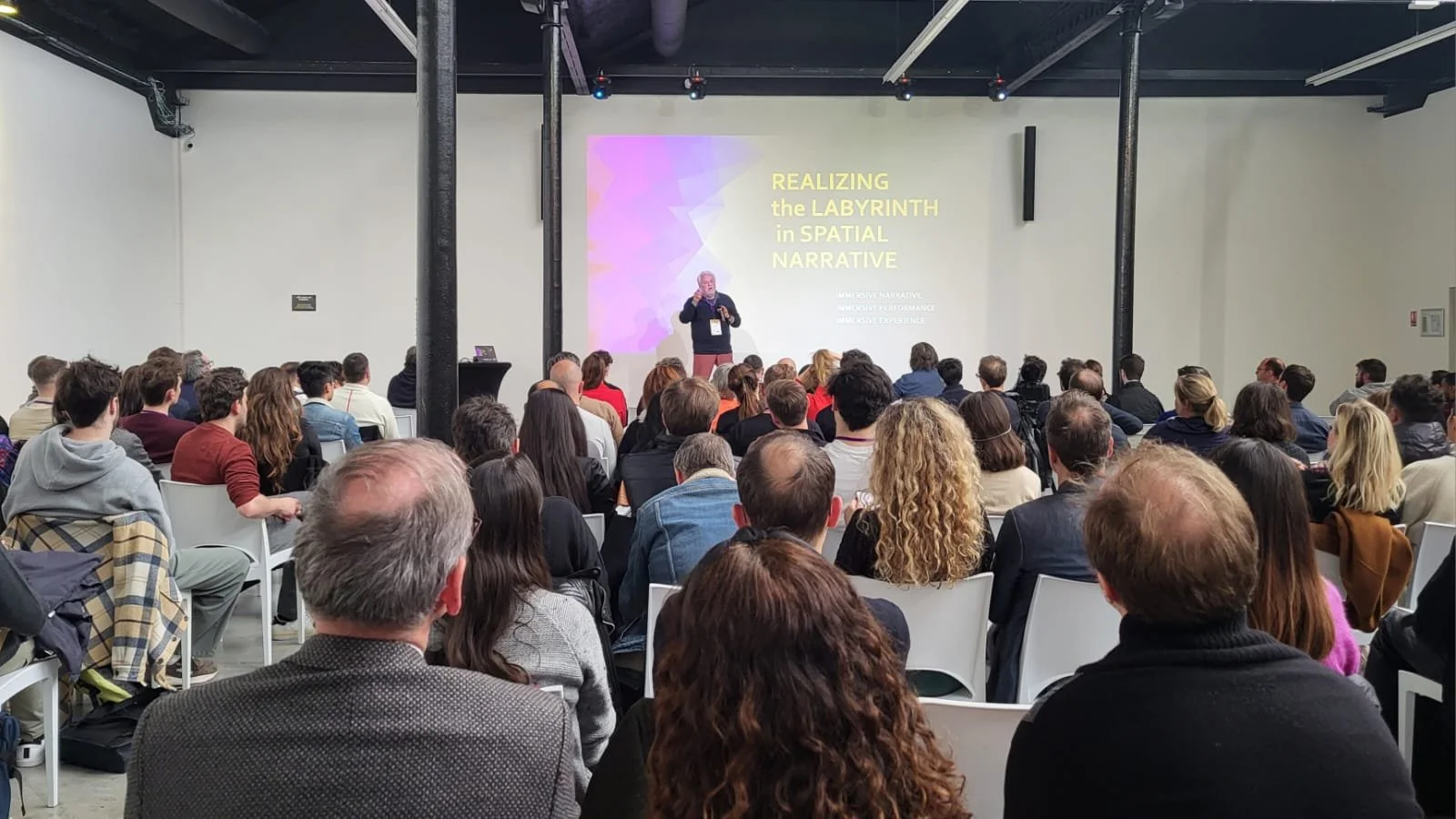
Featured offerings
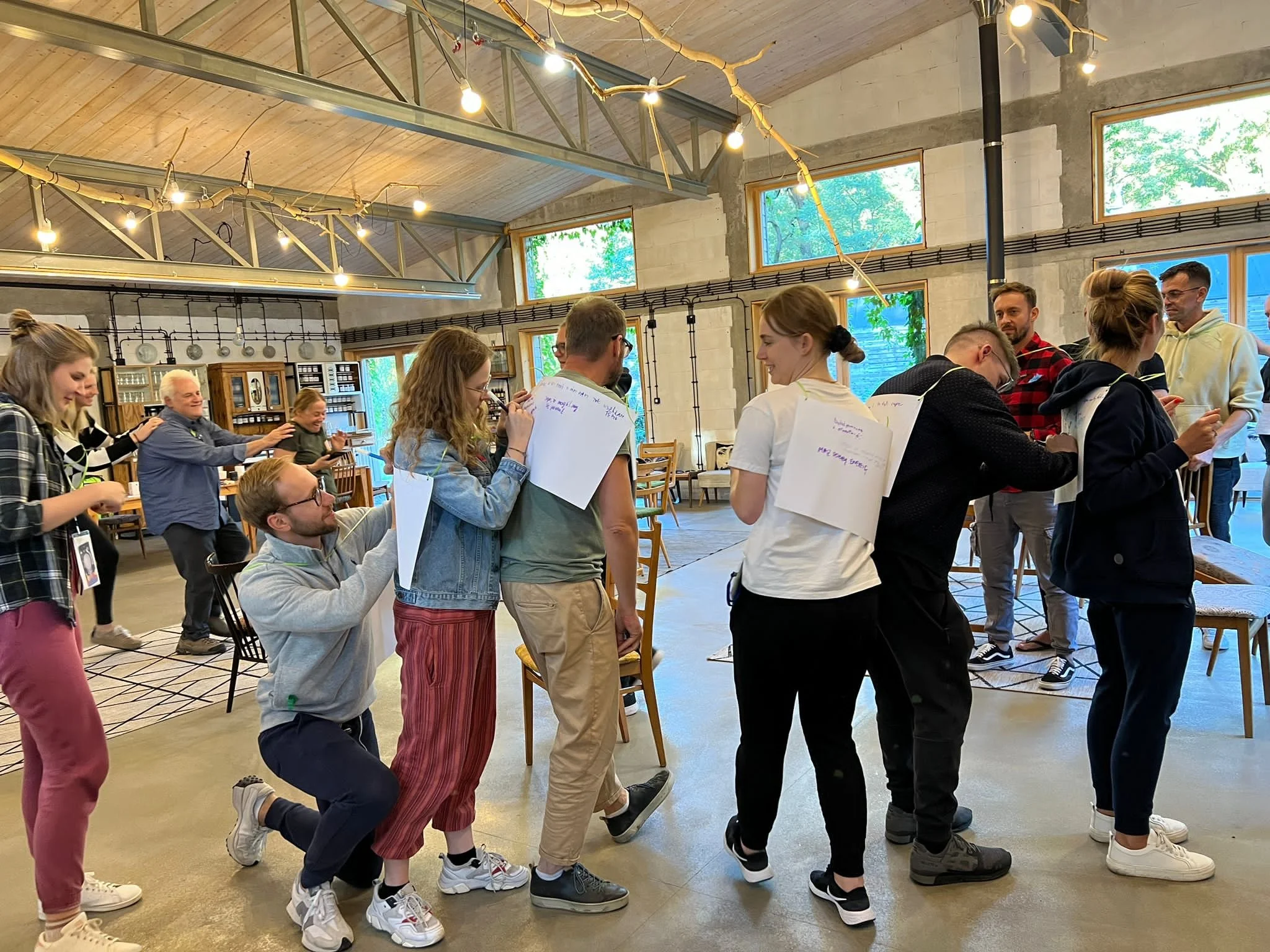
Simulation Theory for Future Strategy (Framework / Workshop)

Future Stories (Course)
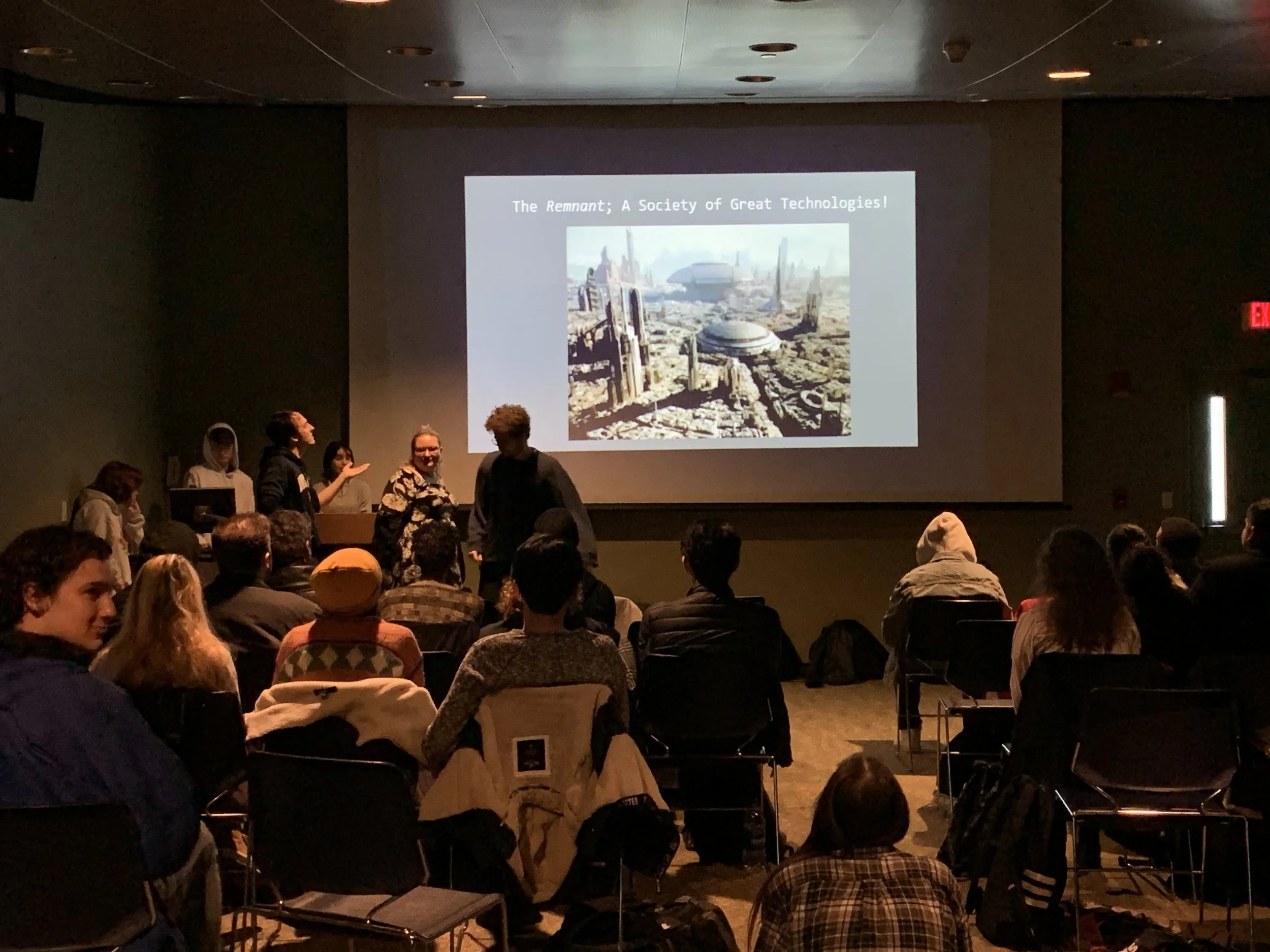
Custom institutional labs - for leadership teams, educators, and cross-disciplinary cohorts (see Education & Facilitation)
What people leave with
A shared vocabulary that makes complexity discussable.
Frameworks that can be repeated without the original facilitator.
Prototypes (worlds, scenarios, interfaces, rehearsal rituals) that make strategy operational.